The Holy Grail for Nonprofits
Nonprofit Sustainability: Making Strategic Decisions for Financial Viability by Jeanne Bell, Jan Masaoka & Steve Zimmerman
Nonprofit Sustainability: Making Strategic Decisions for Financial Viability by Jeanne Bell, Jan Masaoka & Steve Zimmerman
Engineers Without Borders’ new website, Admitting Failure, gives new life to “good failures.” It aims to help organizations learn from others’ mistakes.
Nonprofit staff isn’t very diverse. Nonprofit boards aren’t very diverse. Nonprofits need more diversity.
The U.S. Supreme Court’s decision in Citizens United vs. The FEC is a harbinger of great change for the social sector.
Peer-to-peer communication leverages the personal networks of members to disseminate messages.


Funders are calling for more program evaluation, but nonprofits are often collecting dubious data, at great cost to themselves and ultimately to the people they serve.

Large-scale social change requires broad cross-sector coordination, not the isolated intervention of individual organizations.
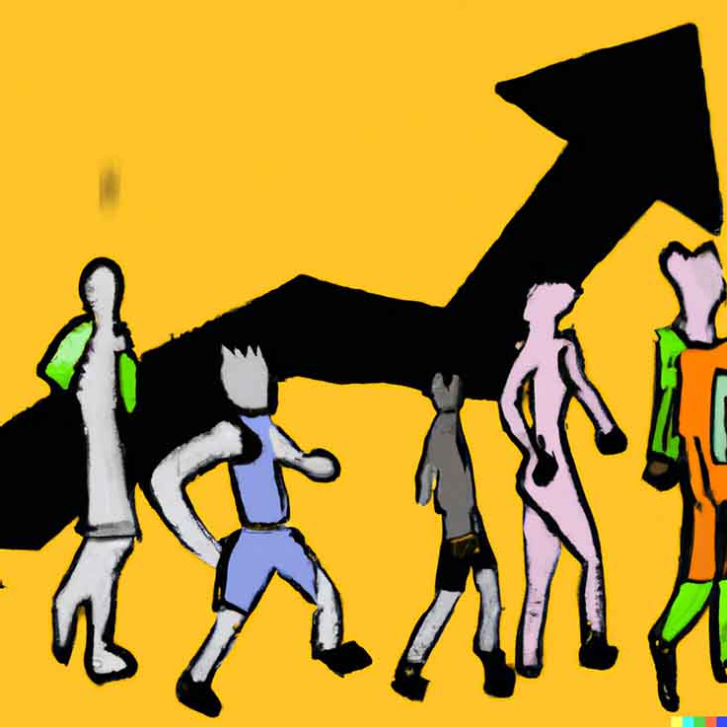
For NGOs, impact comes in different forms and to track the cycles of social change work, we must think across the tangibility and the speed of emergence of change.

With an understanding of these 10 funding models, nonprofit leaders can use the for-profit world's valuable practice of engaging in succinct and clear conversations about long-term financial strategy.

Fair Trade-certified coffee is growing in sales, but strict certification requirements are resulting in uneven economic advantages for coffee growers and lower quality coffee for consumers.