Bringing Fair Trade to Indigenous Farmers
COO of Bats'il Maya Alberto Irezabal talks about the social environment in Chiapas that led to the founding of the organization, and how the co-op works.
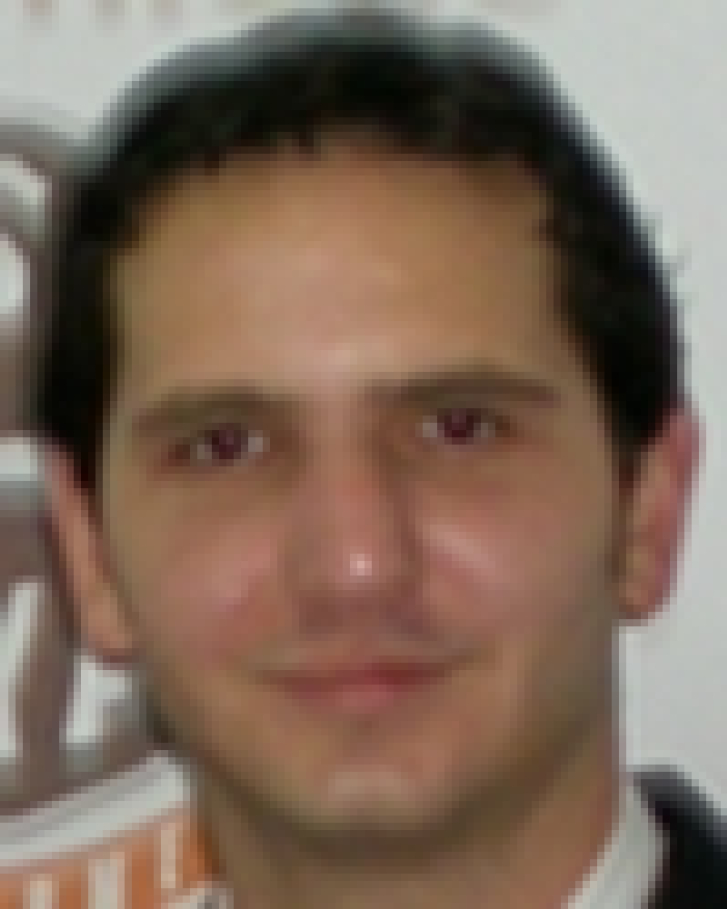
COO of Bats'il Maya Alberto Irezabal talks about the social environment in Chiapas that led to the founding of the organization, and how the co-op works.
Sharing a story will likely to trigger a story in the mind of your listener. Be intentional about the stories you choose to share.
There is a great need to connect small- and mid-sized nonprofits to the innovative work and ideas associated with new movements like "social entrepreneurship."
What nonprofits need isn’t more advice, it’s more money.

CEO and founder of Catchafire Rachael Chong discusses how her organization started and how it conducts outreach.


Funders are calling for more program evaluation, but nonprofits are often collecting dubious data, at great cost to themselves and ultimately to the people they serve.

Large-scale social change requires broad cross-sector coordination, not the isolated intervention of individual organizations.

For NGOs, impact comes in different forms and to track the cycles of social change work, we must think across the tangibility and the speed of emergence of change.

With an understanding of these 10 funding models, nonprofit leaders can use the for-profit world's valuable practice of engaging in succinct and clear conversations about long-term financial strategy.

Fair Trade-certified coffee is growing in sales, but strict certification requirements are resulting in uneven economic advantages for coffee growers and lower quality coffee for consumers.