
Game Theory
Behavioral experts agree that so-called "games for good" can teach empathy to those who play them.
Behavioral experts agree that so-called "games for good" can teach empathy to those who play them.
Nonprofit CEO’s can bring a bright and potentially effective array of skills to a corporation.

Nonprofits tend to recreate within their own organizational cultures the very social problems they are trying to solve.
A look at nonprofit back-office integrations, or Shared Service Alliances.
The philanthropic community has no public opposition to a new, ill-advised piece of legislation.


Funders are calling for more program evaluation, but nonprofits are often collecting dubious data, at great cost to themselves and ultimately to the people they serve.

Large-scale social change requires broad cross-sector coordination, not the isolated intervention of individual organizations.
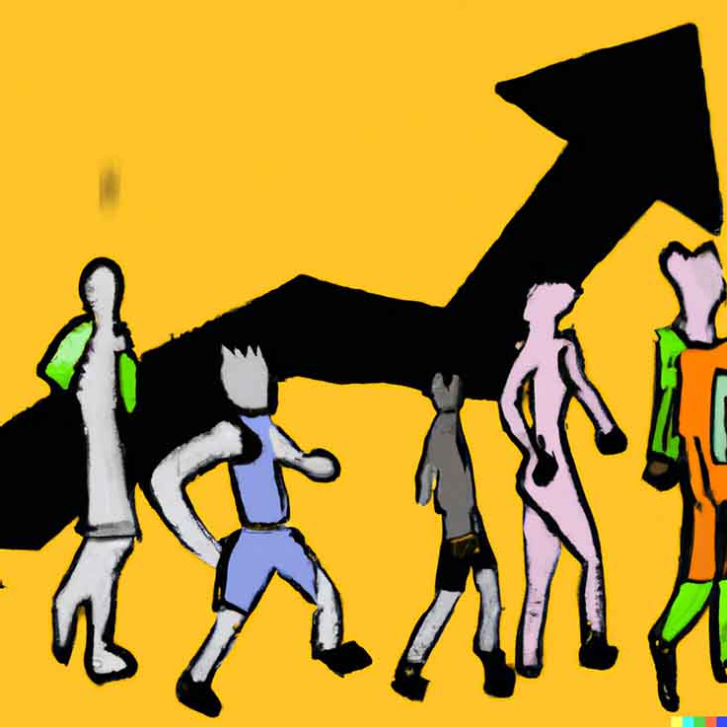
For NGOs, impact comes in different forms and to track the cycles of social change work, we must think across the tangibility and the speed of emergence of change.

With an understanding of these 10 funding models, nonprofit leaders can use the for-profit world's valuable practice of engaging in succinct and clear conversations about long-term financial strategy.

Fair Trade-certified coffee is growing in sales, but strict certification requirements are resulting in uneven economic advantages for coffee growers and lower quality coffee for consumers.