Research: Strong Women, Strong Sector
The more empowered a country's women, the more vibrant its nonprofit sector.
The more empowered a country's women, the more vibrant its nonprofit sector.
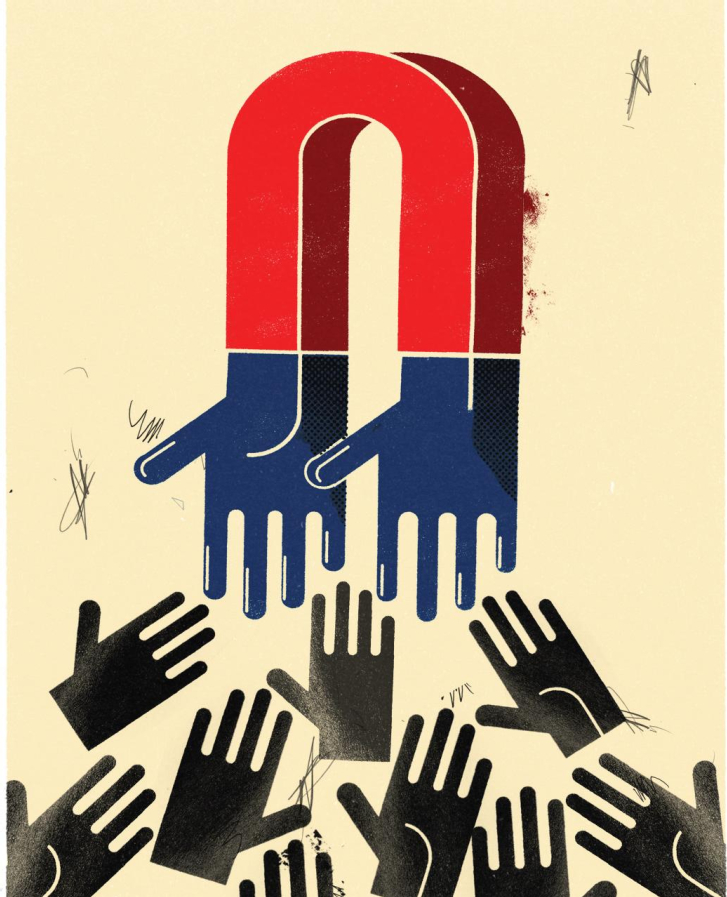
How do nonprofits find and keep workers even in troubled economic times?

Forget about luring big companies with tax incentives and subsidized space. Chris Gibbons focuses Littleton, Colorado's efforts on growing home-town businesses.
A powerful tool to engage givers is storytelling – telling stories about people, the problems they face, and the role philanthropy can play in addressing the symptoms and causes of those problems.
ParkScan, an interactive Web tool, enages residents as park monitors.


Funders are calling for more program evaluation, but nonprofits are often collecting dubious data, at great cost to themselves and ultimately to the people they serve.

Large-scale social change requires broad cross-sector coordination, not the isolated intervention of individual organizations.

For NGOs, impact comes in different forms and to track the cycles of social change work, we must think across the tangibility and the speed of emergence of change.

With an understanding of these 10 funding models, nonprofit leaders can use the for-profit world's valuable practice of engaging in succinct and clear conversations about long-term financial strategy.

Fair Trade-certified coffee is growing in sales, but strict certification requirements are resulting in uneven economic advantages for coffee growers and lower quality coffee for consumers.