
Open Organizations and Thoughts on Transparency
What role does transparency play in philanthropy?
What role does transparency play in philanthropy?
Nobody wants to be the biggest energy hog on the block.
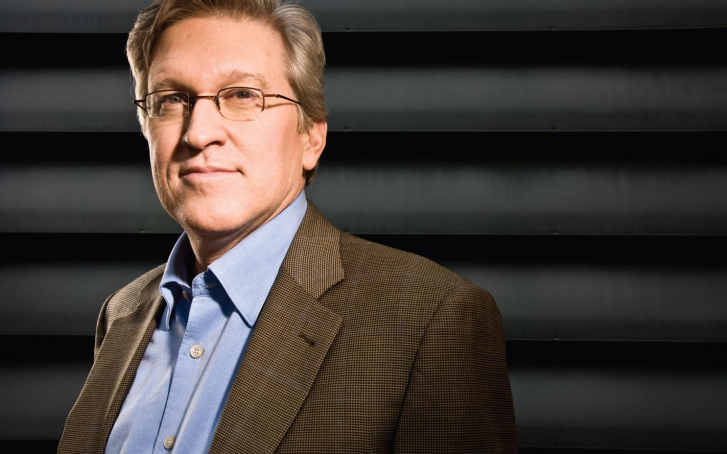
Jeff Raikes takes over the Gates Foundation at a turbulent time when philanthropic resources are down and social needs are up.
The Chicago Metropolitan Agency for Planning is an example of government collaboration.

Hagar was the biblical woman who became the victim of neglect and violence when she was cast out of the fold of Abraham and Sarah. In Cambodia, Afghanistan, and Vietnam, thousands of "Hagars" and their children suffer poverty, trafficking, and other human rights abuses. Janet Tafel, who was invited by the Center for Social Innovation at Stanford, discusses how her organization, Hagar USA, helps individuals restore their lives through holistic healing, community integration, and social entrepreneurship.


Funders are calling for more program evaluation, but nonprofits are often collecting dubious data, at great cost to themselves and ultimately to the people they serve.

Large-scale social change requires broad cross-sector coordination, not the isolated intervention of individual organizations.

For NGOs, impact comes in different forms and to track the cycles of social change work, we must think across the tangibility and the speed of emergence of change.

With an understanding of these 10 funding models, nonprofit leaders can use the for-profit world's valuable practice of engaging in succinct and clear conversations about long-term financial strategy.

Fair Trade-certified coffee is growing in sales, but strict certification requirements are resulting in uneven economic advantages for coffee growers and lower quality coffee for consumers.