


Nowhere to Grow
The systematic scale-up of social entrepreneurs’ solutions by Big International NGOs (BINGOs) is simply not a thing. Why not?

The systematic scale-up of social entrepreneurs’ solutions by Big International NGOs (BINGOs) is simply not a thing. Why not?

To build healthy, resilient organizations, nonprofits need to do more than adopt standard diversity, equity, and inclusion practices. They need to acknowledge systemic racism then commit to and implement processes to upend it.
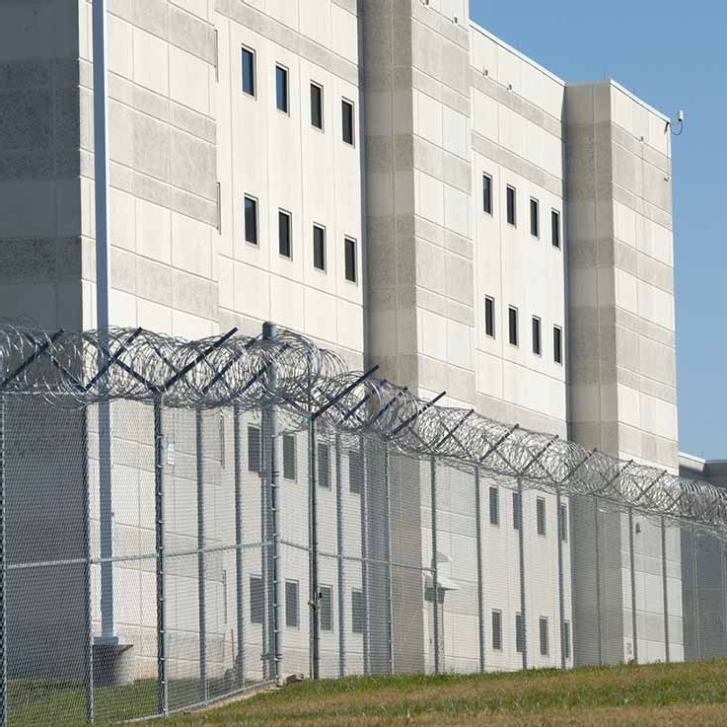
How a college-in-prison nonprofit continues to teach during prison quarantine.

Even in uncertain times and with leadership in flux, nonprofits can recalibrate and make progress.

Micromanaging, rubber stamp, and Balkanized nonprofit boards of directors are more common than not, and turning them into high-functioning governing bodies requires being on the alert for six warning signs.


Funders are calling for more program evaluation, but nonprofits are often collecting dubious data, at great cost to themselves and ultimately to the people they serve.

Large-scale social change requires broad cross-sector coordination, not the isolated intervention of individual organizations.
For NGOs, impact comes in different forms and to track the cycles of social change work, we must think across the tangibility and the speed of emergence of change.

With an understanding of these 10 funding models, nonprofit leaders can use the for-profit world's valuable practice of engaging in succinct and clear conversations about long-term financial strategy.

Fair Trade-certified coffee is growing in sales, but strict certification requirements are resulting in uneven economic advantages for coffee growers and lower quality coffee for consumers.