


Connecting Inner and Outer Well-Being in Social Innovation Education
Why social innovation education programs need to develop students’ inner well-being alongside their knowledge of the field, and five principles to help lead the way.
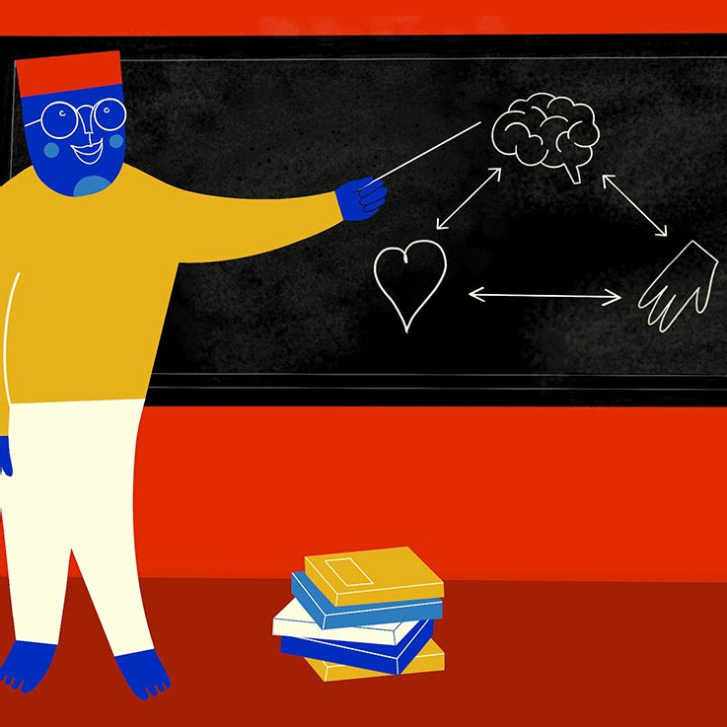
Why social innovation education programs need to develop students’ inner well-being alongside their knowledge of the field, and five principles to help lead the way.

To address more complex social challenges, design thinking must become radically more collaborative and oriented toward systems change.
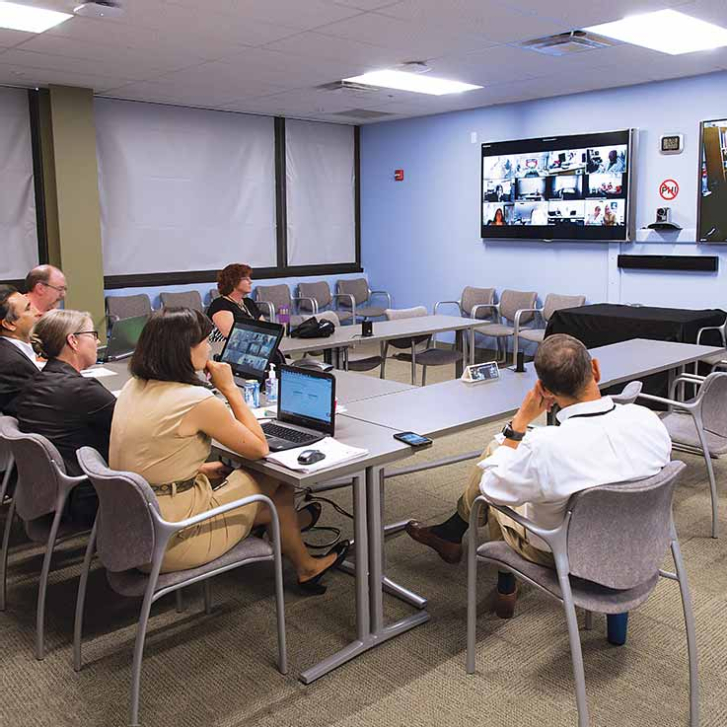
Project ECHO developed a revolutionary model for helping doctors and clinicians in New Mexico to treat hepatitis C. It spread around the world to address numerous chronic diseases. With the COVID-19 pandemic, it found its moment.
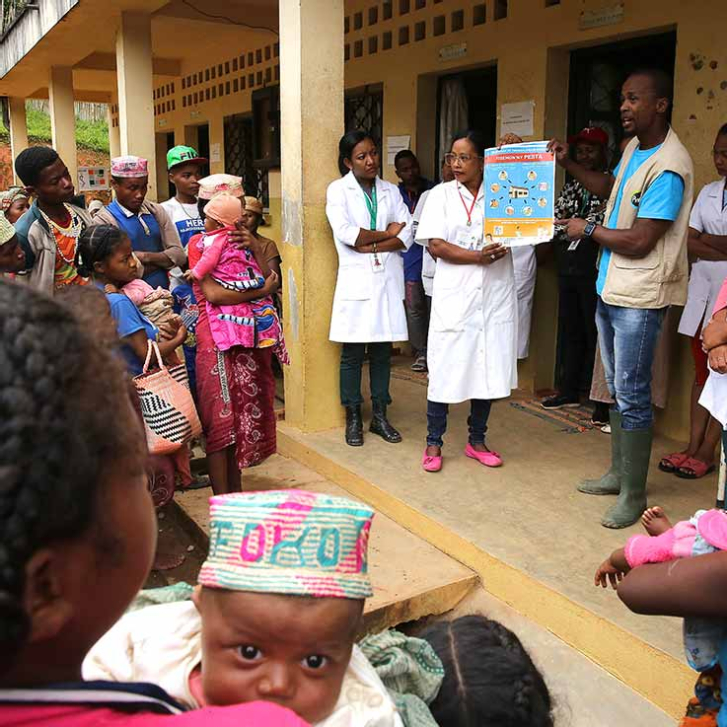
Lessons learned when PIVOT shifted its center of gravity from the United States to Madagascar by letting go of the majority of its US-based team.
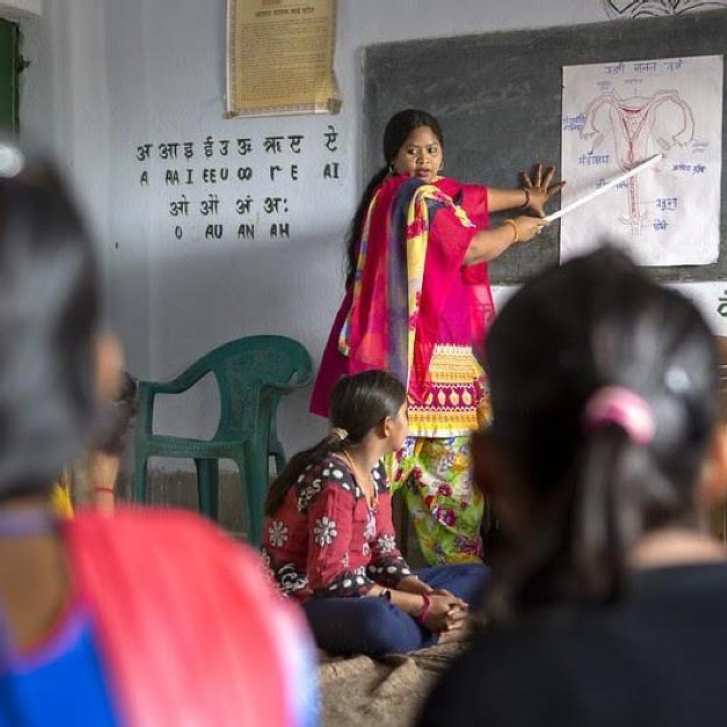
Links to all of SSIR's online-only articles published the past three months, with editors' notes about standout pieces on menstrual health, virtual events, and the downside to an overly positive organizational culture.


Funders are calling for more program evaluation, but nonprofits are often collecting dubious data, at great cost to themselves and ultimately to the people they serve.

Large-scale social change requires broad cross-sector coordination, not the isolated intervention of individual organizations.

For NGOs, impact comes in different forms and to track the cycles of social change work, we must think across the tangibility and the speed of emergence of change.

With an understanding of these 10 funding models, nonprofit leaders can use the for-profit world's valuable practice of engaging in succinct and clear conversations about long-term financial strategy.

Fair Trade-certified coffee is growing in sales, but strict certification requirements are resulting in uneven economic advantages for coffee growers and lower quality coffee for consumers.