


sponsored
Invading the Darkness of Child Sex Trafficking
How Shared Hope International uses digital tools and meaningful grassroots experiences to activate support.

How Shared Hope International uses digital tools and meaningful grassroots experiences to activate support.

The relationship between donors and nonprofits is built on a complex interplay of motivations, activities, and circumstances. A research article in the Summer 2020 issue.
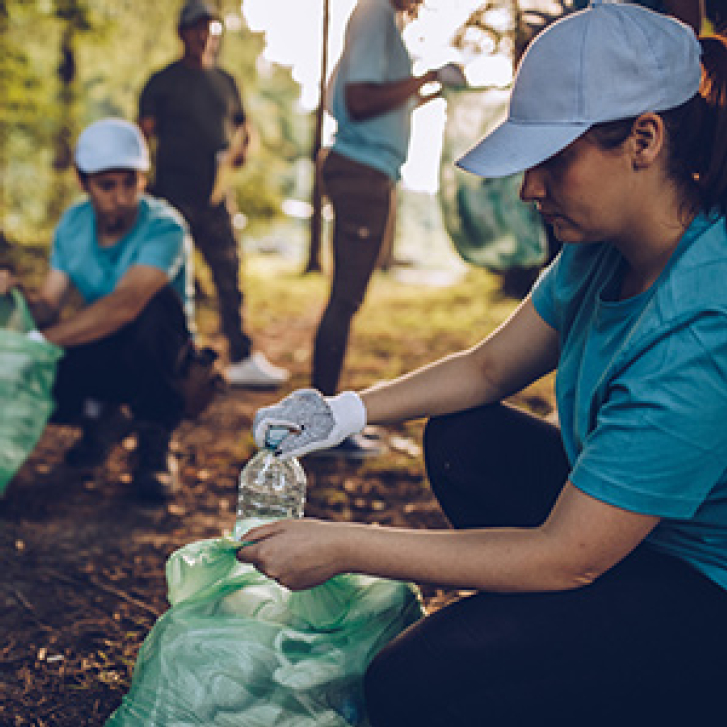
To understand the complexity of volunteering, researchers should focus on the social goods volunteers pursue and the functions they serve. A research article in the Summer 2020 issue.
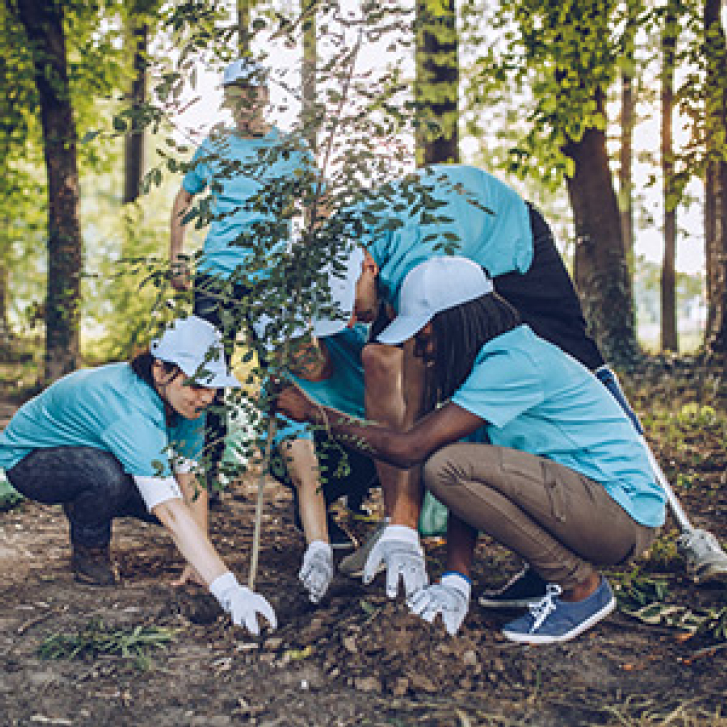
Because government action will always be dependent on public support, leading conservation organizations must focus on building a constituency for nature.

Lessons learned at Friends of the Children about maintaining stability in service during this crisis and the next one.


Funders are calling for more program evaluation, but nonprofits are often collecting dubious data, at great cost to themselves and ultimately to the people they serve.

Large-scale social change requires broad cross-sector coordination, not the isolated intervention of individual organizations.

For NGOs, impact comes in different forms and to track the cycles of social change work, we must think across the tangibility and the speed of emergence of change.

With an understanding of these 10 funding models, nonprofit leaders can use the for-profit world's valuable practice of engaging in succinct and clear conversations about long-term financial strategy.

Fair Trade-certified coffee is growing in sales, but strict certification requirements are resulting in uneven economic advantages for coffee growers and lower quality coffee for consumers.