



Development Impact Bonds: There’s Still No Free Lunch
We’re in big trouble if complicated, expensive schemes like these are what it takes to get big funders to fund for impact.
We’re in big trouble if complicated, expensive schemes like these are what it takes to get big funders to fund for impact.
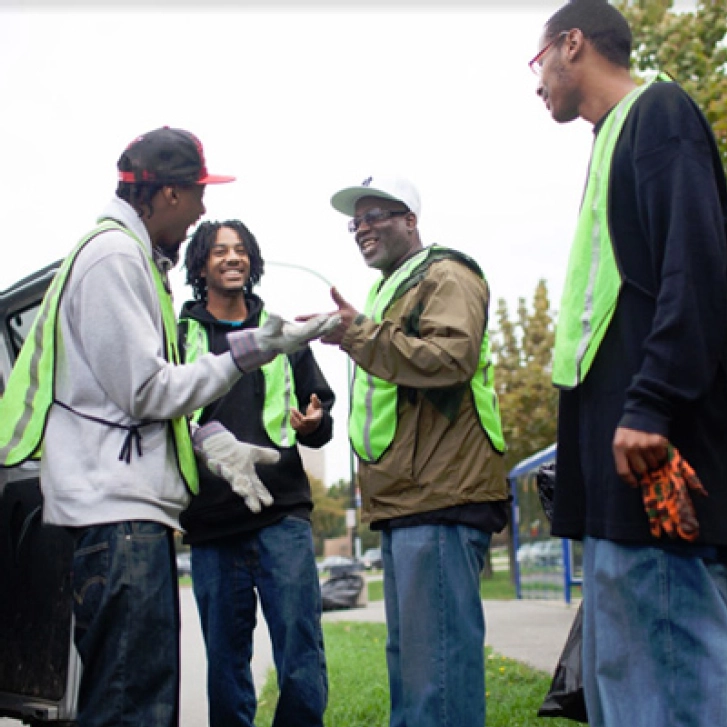
How shifting attention from gathering data about clients to gathering data from them helped a criminal justice organization improve services for participants and increase equity in the process. Part of a series produced for SSIR with the support of the Hewlett Foundation.

Activists can be more successful at solving problems in their communities by using three simple strategies to connect local, national, and global narratives.

When Betty McCay finished a 27-year prison sentence and approached the Center for Employment Opportunities for help with finding a job, the last thing she expected was to be asked for her feedback on running the program. Part of a series produced for SSIR with the support of the Hewlett Foundation.

Shannon Revels met a teacher in prison who listened to his ideas, demonstrating a willingness to engage that Revels paid forward at his employment agency and on the job. Part of a series produced for SSIR with the support of the Hewlett Foundation.


Funders are calling for more program evaluation, but nonprofits are often collecting dubious data, at great cost to themselves and ultimately to the people they serve.

Large-scale social change requires broad cross-sector coordination, not the isolated intervention of individual organizations.

For NGOs, impact comes in different forms and to track the cycles of social change work, we must think across the tangibility and the speed of emergence of change.

With an understanding of these 10 funding models, nonprofit leaders can use the for-profit world's valuable practice of engaging in succinct and clear conversations about long-term financial strategy.
Fair Trade-certified coffee is growing in sales, but strict certification requirements are resulting in uneven economic advantages for coffee growers and lower quality coffee for consumers.