


Holding Up the Sky: Achieving Women’s Empowerment Requires Working with Women and Men
Involving men in women’s economic development projects can lead to higher impact for women and changes in gender norms.
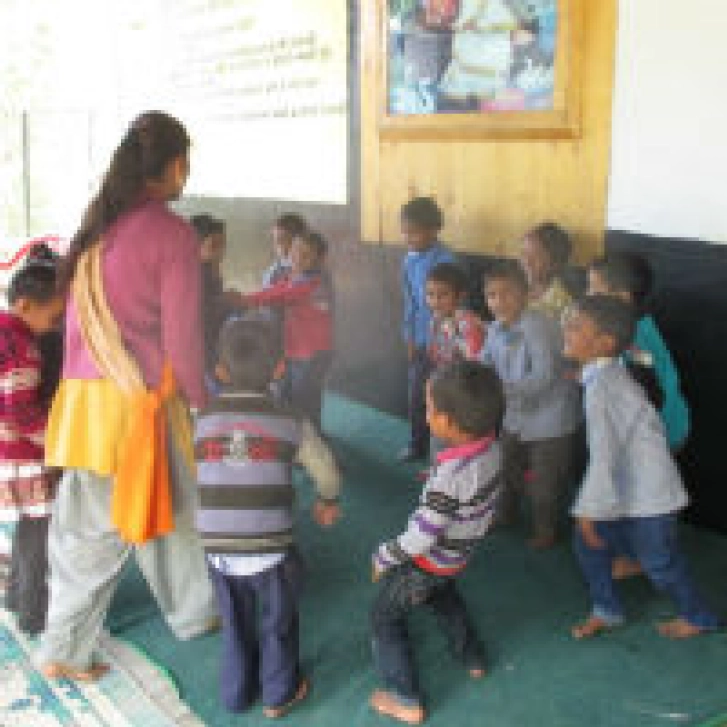
Involving men in women’s economic development projects can lead to higher impact for women and changes in gender norms.
How to reorient philanthropic investments for justice-oriented collective action and impact.
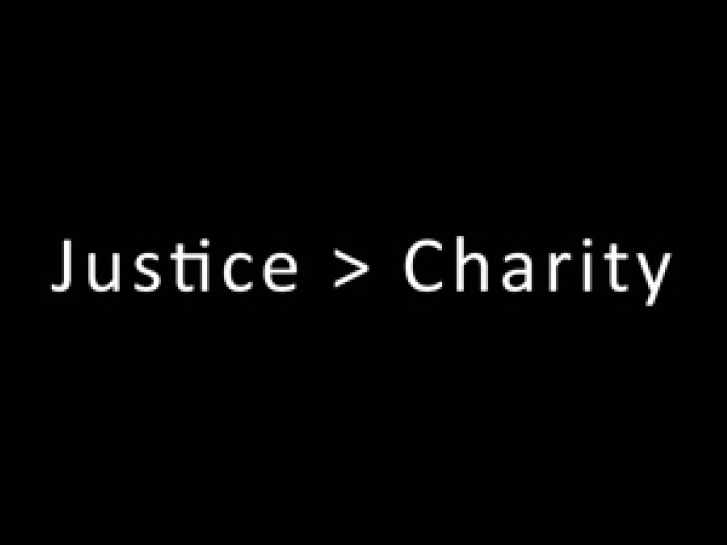
Brian Barnes and Dorian Burton, co-founders of TandemEd, discuss why philanthropy needs a new framework that grounds giving in “justice” rather than “charity.”
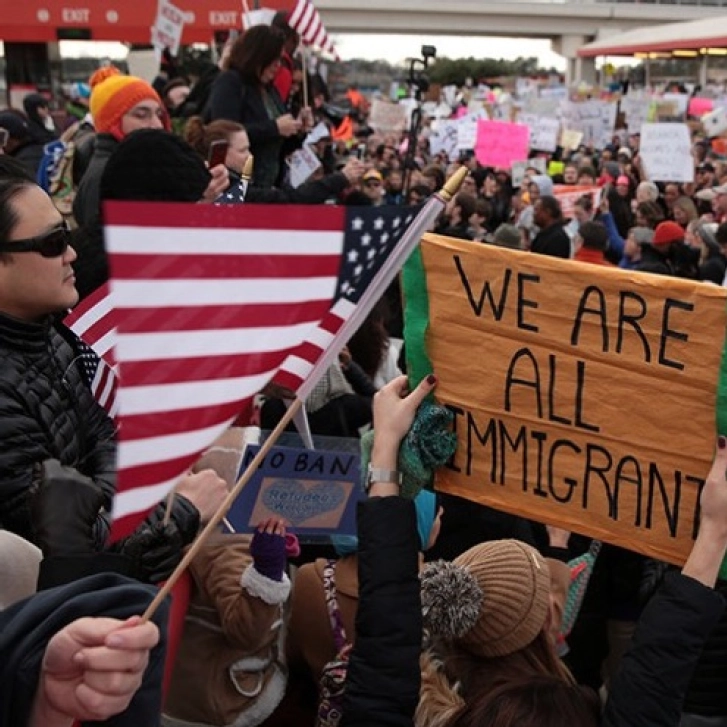
In this video from The Communications Network's ComNet17 conference in Miami, Grant Oliphant, president of the Heinz Endowments, challenges communicators at social sector organizations not to hide behind silence when the values they stand for are being politicized.
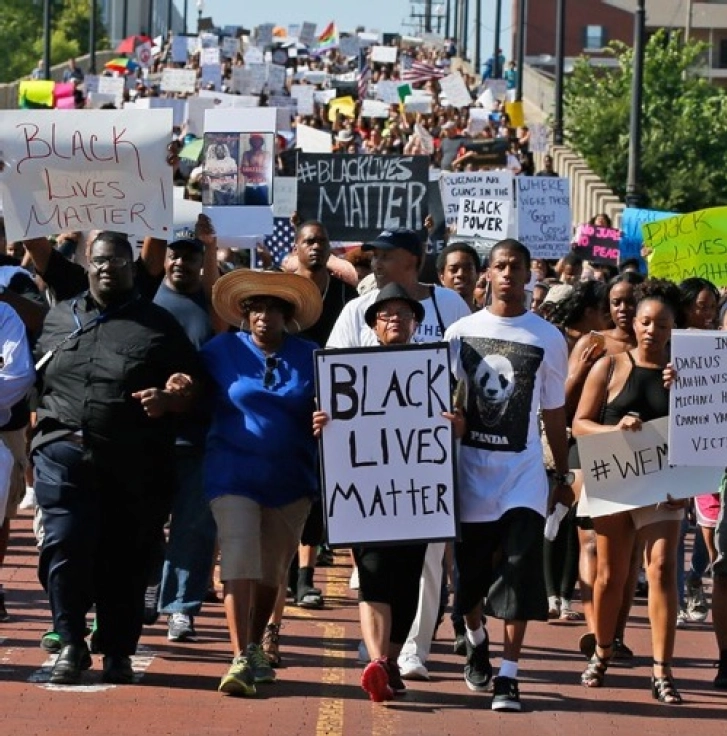
Five critical questions to guide the work of nonprofit communicators.


Funders are calling for more program evaluation, but nonprofits are often collecting dubious data, at great cost to themselves and ultimately to the people they serve.
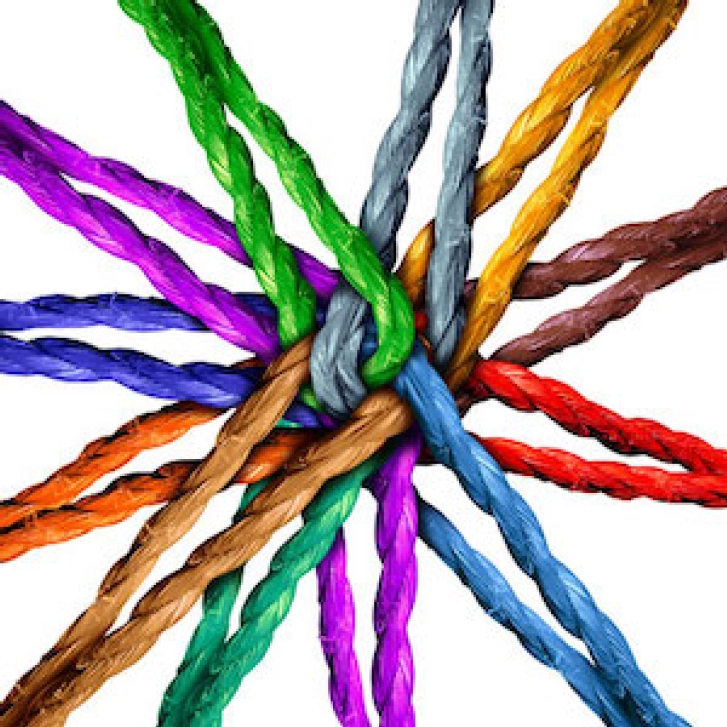
Large-scale social change requires broad cross-sector coordination, not the isolated intervention of individual organizations.
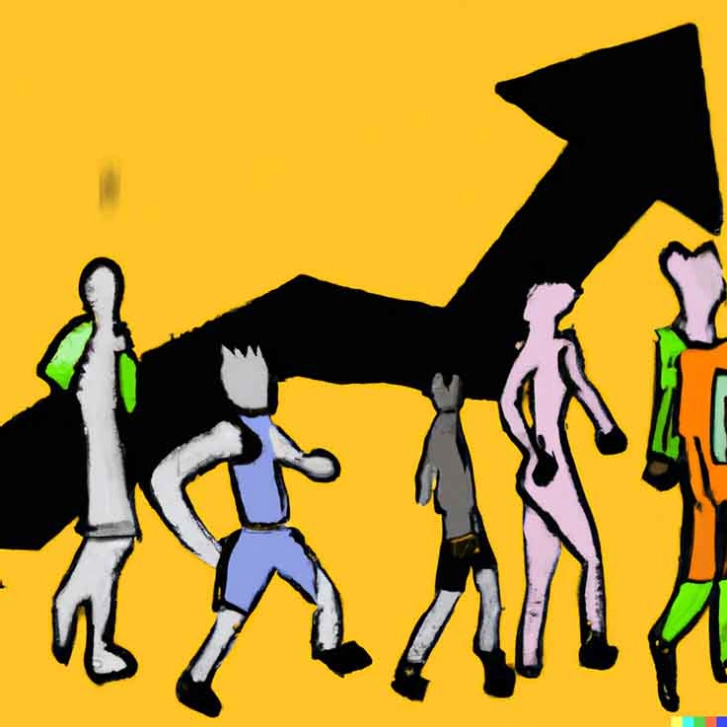
For NGOs, impact comes in different forms and to track the cycles of social change work, we must think across the tangibility and the speed of emergence of change.

With an understanding of these 10 funding models, nonprofit leaders can use the for-profit world's valuable practice of engaging in succinct and clear conversations about long-term financial strategy.

Fair Trade-certified coffee is growing in sales, but strict certification requirements are resulting in uneven economic advantages for coffee growers and lower quality coffee for consumers.