


Why Taking a Step Back From Social Impact Assessment Can Lead to Better Results
Before diving into measurement, organizations must establish awareness of and readiness for impact in every aspect of their operations.

Before diving into measurement, organizations must establish awareness of and readiness for impact in every aspect of their operations.
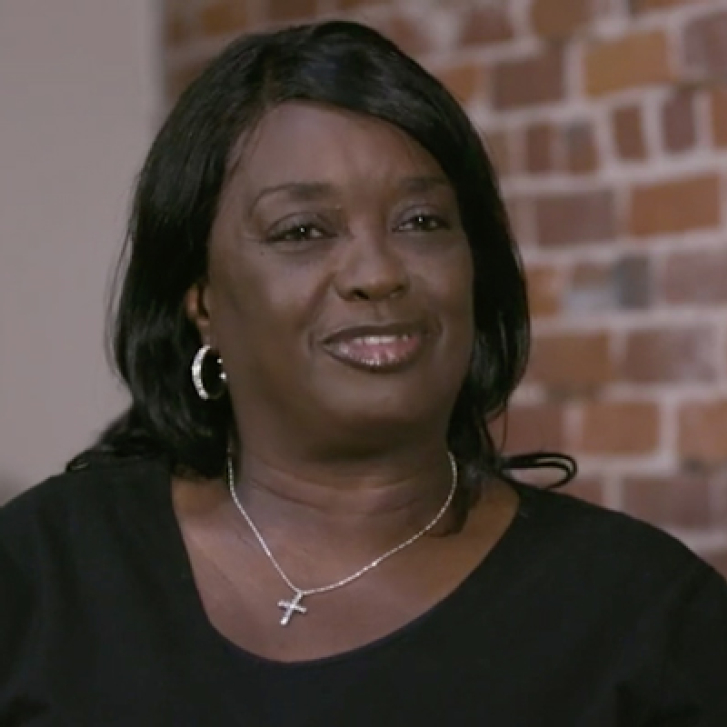
When Betty McCay finished a 27-year prison sentence and approached the Center for Employment Opportunities for help with finding a job, the last thing she expected was to be asked for her feedback on running the program. Part of a series produced for SSIR with the support of the Hewlett Foundation.

Too many organizations ignore or avoid addressing internal conflict. A healthy perspective on disagreement can increase resilience and spur needed innovation.

Going beyond traditional monitoring and evaluation to focus on feedback can lead to new innovations in the social sector.

Employees are willing to make sacrifices to participate in social-impact projects, partly because they see them as opportunities for career advancement.


Professionalism has become coded language for white favoritism in workplace practices that more often than not leave behind people of color. This is the fourth of 10 articles in a special series about diversity, equity, and inclusion.

More nonprofits are managing their brands to create greater impact and organizational cohesion.

The key to creating a vibrant and sustainable company is to find ways to get all employees personally engaged in day-to-day corporate sustainability efforts.

In the face of increasingly pressing systemic inequities, nonprofit boards must change the traditional ways they have worked and instead prioritize an organization's purpose, show respect for the ecosystem in which they operate, commit to equity, and recognize that power must be authorized by the people they're aiming to help.

Five practical considerations for organizations that want to use intentional influence to achieve a bold social goal.