Six Lessons for Getting Work Training and Employment Right
Strategies for successfully filling the skills gap for companies, and helping millions of unemployed youth and others find jobs.
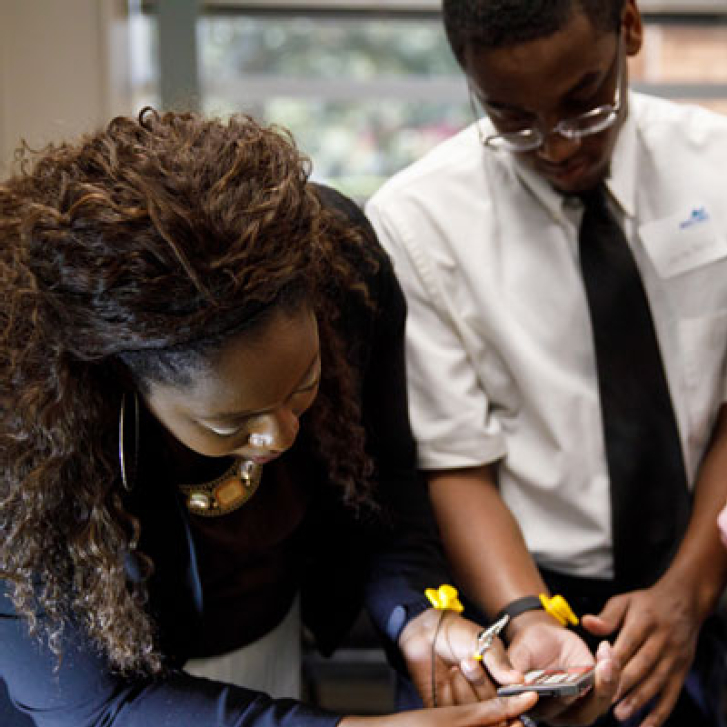
Strategies for successfully filling the skills gap for companies, and helping millions of unemployed youth and others find jobs.

Only 19 percent of nonprofit executive team members strongly agree that their teams focus on the right work. To improve the performance of these vital groups, leaders should ask five critical questions.
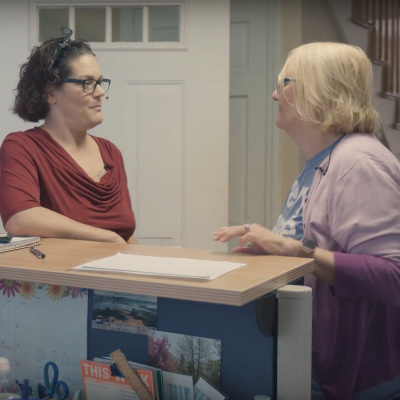
Kate Lauzon found sobriety and a role as an activist through her Massachusetts city's weekly resident feedback sessions, a gathering of civic groups known as "Working Cities Wednesdays" organized by Habitat for Humanity. Part of a series produced for SSIR with the support of the Hewlett Foundation.

Global aid agencies must shift from just agreeing to “go local” to preparing development experts for the task.
As technology morphs businesses, markets, and economies, we must reimagine how we educate future managers—the UN’s Sustainable Development Goals provide a North Star.


Professionalism has become coded language for white favoritism in workplace practices that more often than not leave behind people of color. This is the fourth of 10 articles in a special series about diversity, equity, and inclusion.

More nonprofits are managing their brands to create greater impact and organizational cohesion.

The key to creating a vibrant and sustainable company is to find ways to get all employees personally engaged in day-to-day corporate sustainability efforts.

In the face of increasingly pressing systemic inequities, nonprofit boards must change the traditional ways they have worked and instead prioritize an organization's purpose, show respect for the ecosystem in which they operate, commit to equity, and recognize that power must be authorized by the people they're aiming to help.

Five practical considerations for organizations that want to use intentional influence to achieve a bold social goal.