


Boundaries as an Act of Collective Care
An excerpt from The Future is Collective on embedding care into how we work
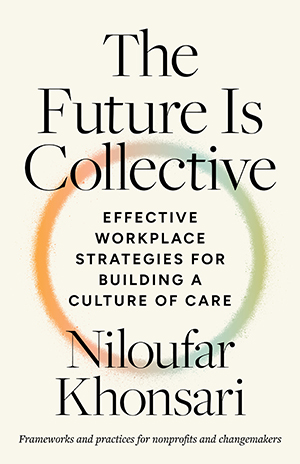
An excerpt from The Future is Collective on embedding care into how we work
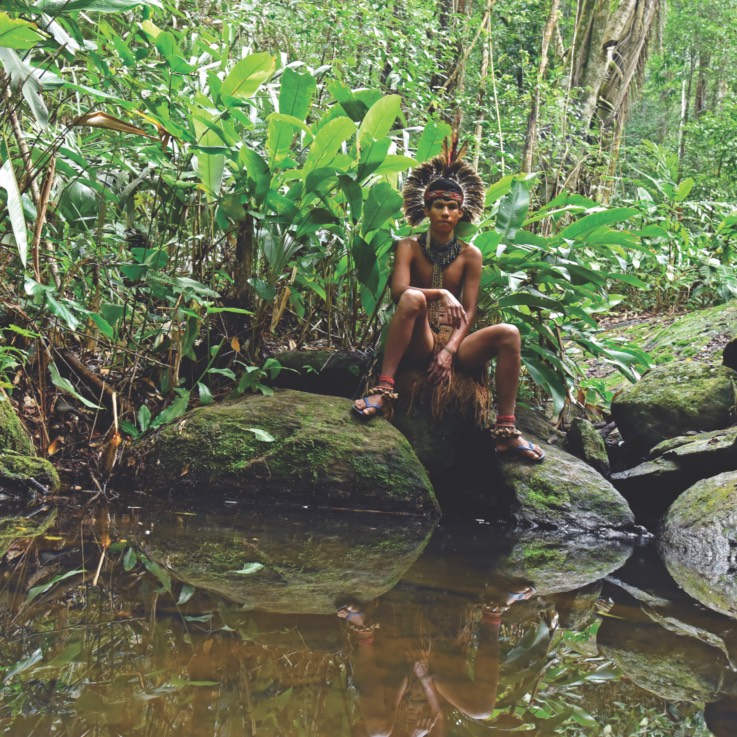
For 65 years, the WWF has led global conservation efforts in more than 100 countries. But as environmental challenges escalated in recent decades, the organization found its traditional methods falling short. WWF took the radical step of embedding a culture of innovation across its vast network. Could it transform while staying true to its mission?
While conflict is a natural part of any relationship, family philanthropies must manage it well to ensure internal issues are not a barrier to impact. What are the best ways to anticipate and deal with disagreements when they arise? Three leaders with experience in the field share their perspectives. A sponsored podcast developed with the support of DAFgiving360

How a new approach to recruiting board members can transform nonprofits.

In this time of crisis, nonprofits may be forced into mergers, acquisitions, and sunsets. A few principles will help leaders make the most of a difficult moment.


Professionalism has become coded language for white favoritism in workplace practices that more often than not leave behind people of color. This is the fourth of 10 articles in a special series about diversity, equity, and inclusion.

More nonprofits are managing their brands to create greater impact and organizational cohesion.

The key to creating a vibrant and sustainable company is to find ways to get all employees personally engaged in day-to-day corporate sustainability efforts.

In the face of increasingly pressing systemic inequities, nonprofit boards must change the traditional ways they have worked and instead prioritize an organization's purpose, show respect for the ecosystem in which they operate, commit to equity, and recognize that power must be authorized by the people they're aiming to help.

Five practical considerations for organizations that want to use intentional influence to achieve a bold social goal.