Policies, Processes, and Protocols: Three Keys to Building a Diverse Workplace
We need new tools to address institutional bias, and to set a new standard for diversity and inclusion at social sector organizations.
We need new tools to address institutional bias, and to set a new standard for diversity and inclusion at social sector organizations.
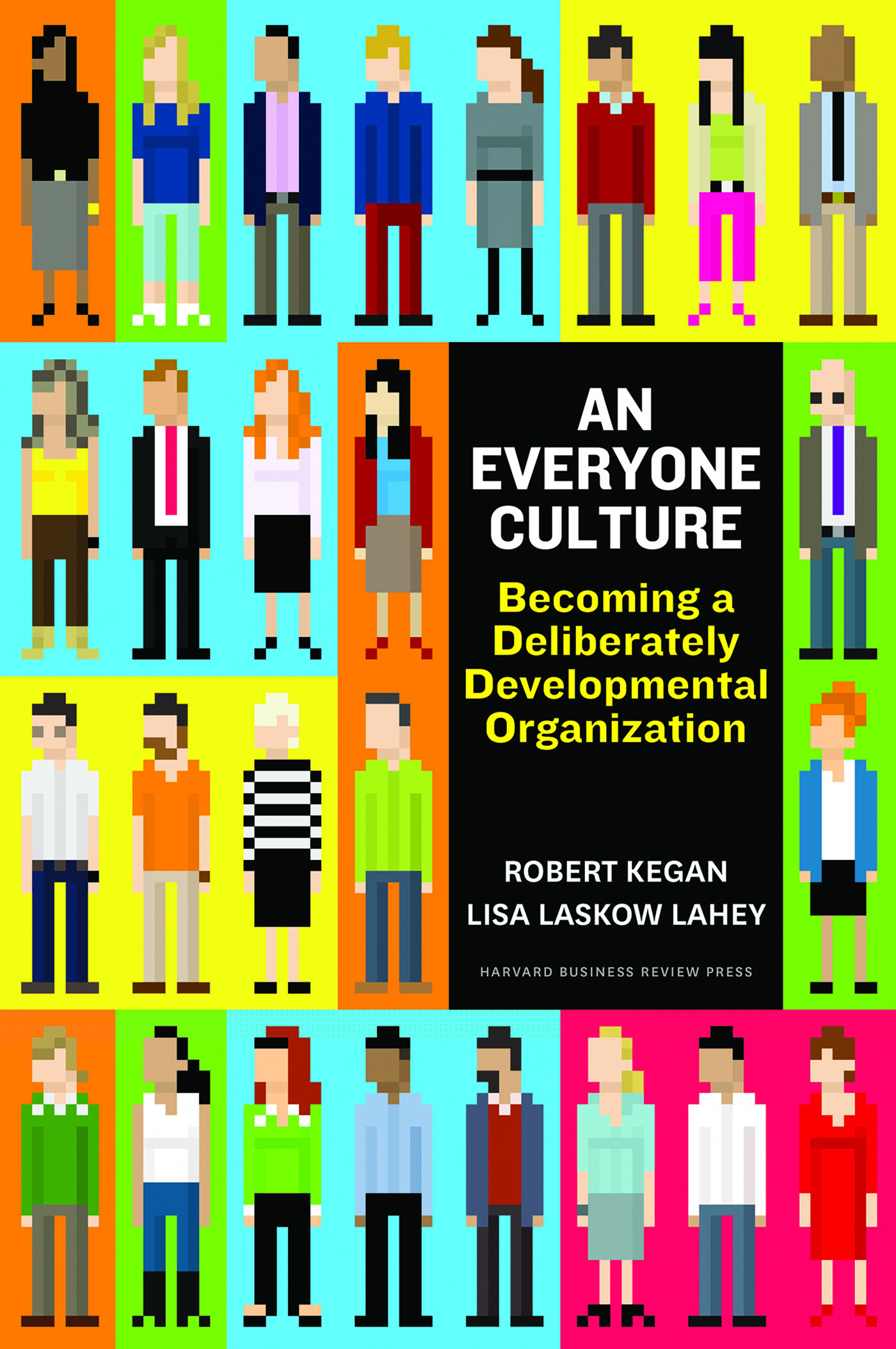
An Everyone Culture argues that organizations do best when they build an environment that encourages constant personal development among their employees.
There is growing evidence that greater gender equality leads to increased business innovation, and companies that pay attention stand to reap great rewards.

How the Annie E. Casey Foundation has leveraged the power of information and communication to drive public investment in children and their families.
It’s time to move beyond our focus on failure in the social sector, and to develop ongoing and meaningful practices for learning and improvement.


Professionalism has become coded language for white favoritism in workplace practices that more often than not leave behind people of color. This is the fourth of 10 articles in a special series about diversity, equity, and inclusion.

More nonprofits are managing their brands to create greater impact and organizational cohesion.

The key to creating a vibrant and sustainable company is to find ways to get all employees personally engaged in day-to-day corporate sustainability efforts.

In the face of increasingly pressing systemic inequities, nonprofit boards must change the traditional ways they have worked and instead prioritize an organization's purpose, show respect for the ecosystem in which they operate, commit to equity, and recognize that power must be authorized by the people they're aiming to help.

Five practical considerations for organizations that want to use intentional influence to achieve a bold social goal.