


A Systems Change Framework to Impact Investing
A key factor preventing impact investing from reaching its maximum potential is the absence of robust monitoring and learning processes anchored in systems change principles.

A key factor preventing impact investing from reaching its maximum potential is the absence of robust monitoring and learning processes anchored in systems change principles.

A collaborative funder and fund leader discuss partnerships with local leaders, how to get funds moving where they need to go, and human-centered impact.
How does a global approach to childhood cancer research advance treatments and cures? How are philanthropists around the world supporting this cause? Gloria De Dios of Foundation Ayudame a Vivir (AYUVI), Richard C. Shadyac of ALSAC, and Fred Kaynor of DAFgiving360 discuss St. Jude Global, an innovative endeavor at St. Jude Children’s Research Hospital to take lifesaving cancer treatments to children around the world. A sponsored podcast developed with the support of DAFgiving360

In this funding crisis, we need to play the long game and build independent capacity for the long term.

How and why funders must move beyond traditional giving


With an understanding of these 10 funding models, nonprofit leaders can use the for-profit world's valuable practice of engaging in succinct and clear conversations about long-term financial strategy.

A decade of applying the collective impact approach to address social problems has taught us that equity is central to the work.
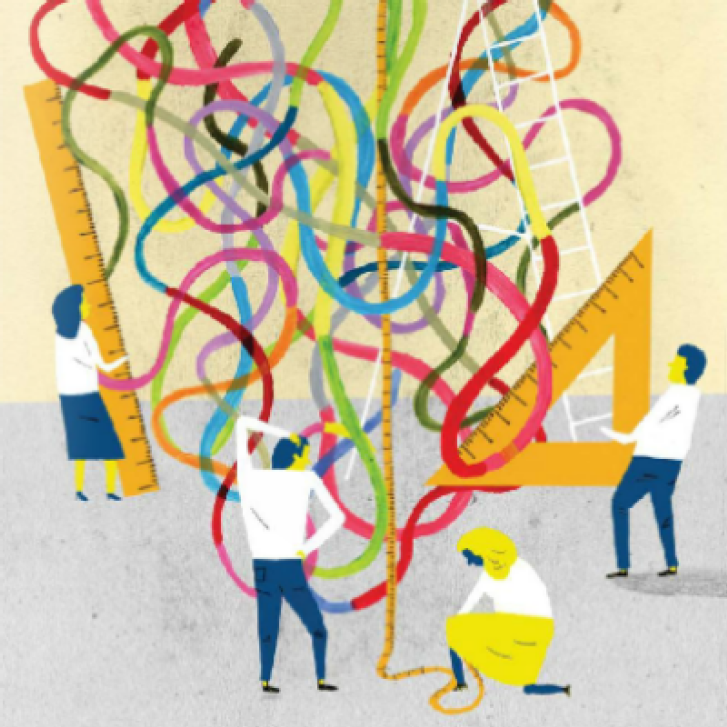
Too many people believe social value is objective, fixed, and stable, when in fact it is subjective, malleable, and variable.

To do as much good as possible with limited resources, funders should look to woefully underfunded protest movements.

Racial bias creeps into all parts of the philanthropic and grantmaking process. The result is that nonprofits led by people of color receive less money than those led by whites, and philanthropy ends up reinforcing the very social ills it says it is trying to overcome.