


Big Aid Is Over
We need to design for what African governments can do and will pay for.

We need to design for what African governments can do and will pay for.
Food pantries across the United States are experiencing rising demand and shrinking resources. Guests in this episode discuss these challenges, US public policy to alleviate hunger, and how donors can support food pantries and anti-hunger organizations in a time of increased need and economic uncertainties. A sponsored podcast developed with the support of DAFgiving360
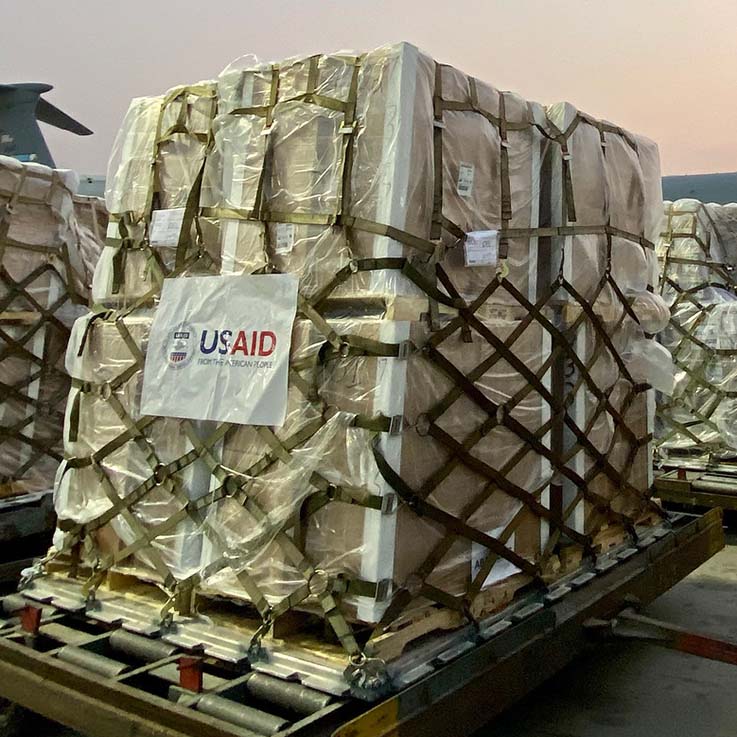
Just a few years ago, philanthropy showed what it could be at its best: nimble, coordinated, unusually brave. This time, facing the sudden slashing of foreign aid, the cavalry is quieter.

The decline and fall of ESG offers a cautionary tale for social impact financing and highlights the need for the sector to sharpen its understanding of catalytic capital. A new definitional framework for catalytic capital can help drive clarity, measurement, and greater market participation.
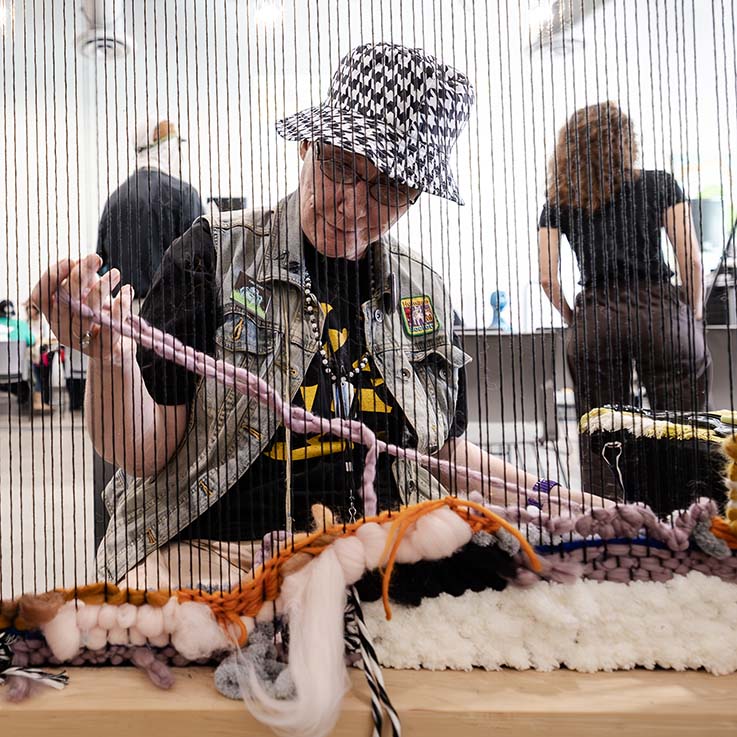
How artmaking and creative practice in the United States can address community challenges, strengthen local economies, and rebuild human connections—and three less-well-traveled ways to support it.


With an understanding of these 10 funding models, nonprofit leaders can use the for-profit world's valuable practice of engaging in succinct and clear conversations about long-term financial strategy.

A decade of applying the collective impact approach to address social problems has taught us that equity is central to the work.
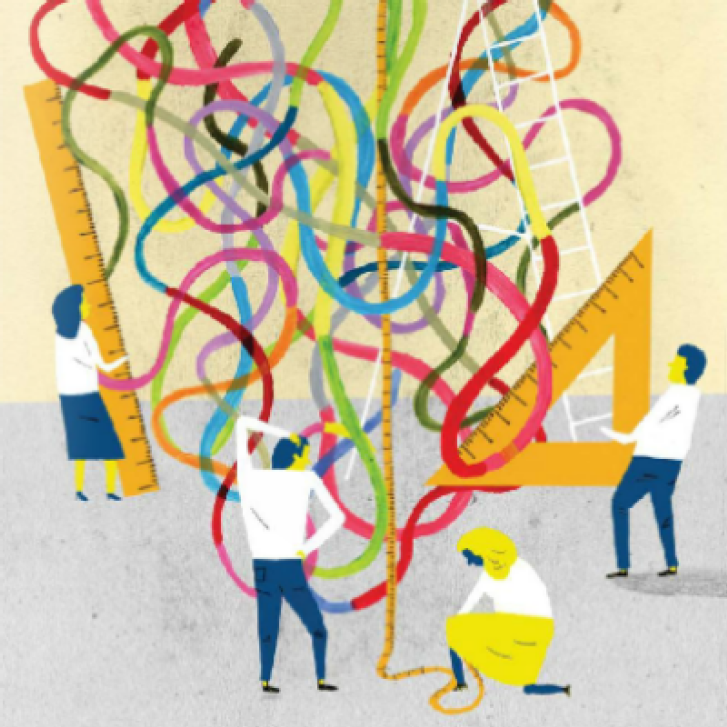
Too many people believe social value is objective, fixed, and stable, when in fact it is subjective, malleable, and variable.

To do as much good as possible with limited resources, funders should look to woefully underfunded protest movements.

Racial bias creeps into all parts of the philanthropic and grantmaking process. The result is that nonprofits led by people of color receive less money than those led by whites, and philanthropy ends up reinforcing the very social ills it says it is trying to overcome.