


How NGOs Can Act as Learning Labs for Government
As global aid declines, new learning partnership models between NGOs and government will play a critical role in scaling and sustaining health reform in low- and middle-income countries.

As global aid declines, new learning partnership models between NGOs and government will play a critical role in scaling and sustaining health reform in low- and middle-income countries.

The tax code should not dissuade donors from maximizing their impact by supporting 501(c)(4)s.
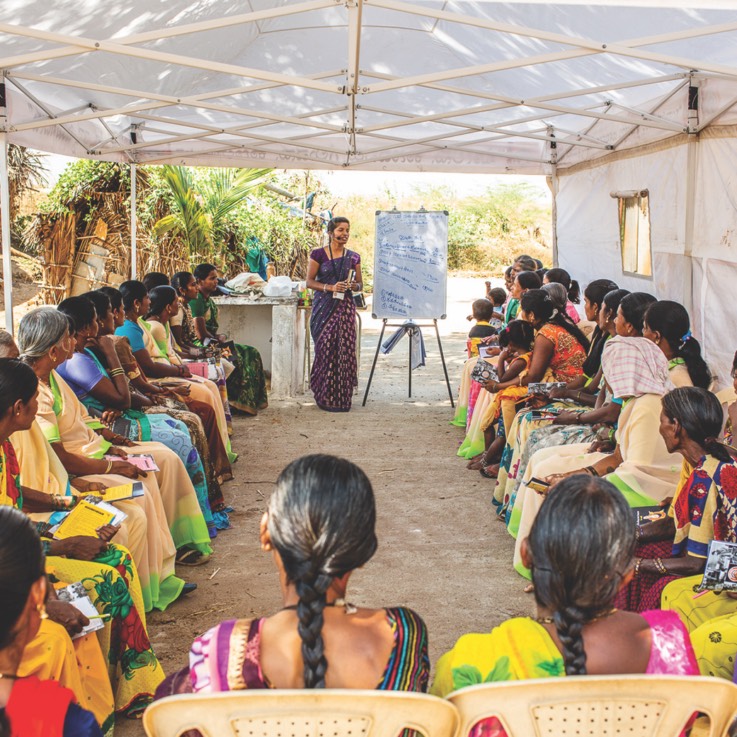
Can you ask economically vulnerable women to donate for the empowerment of others? Buzz Women’s giving circle in India is doing just that.

Companies in Taiwan with ties to the ruling party invested in public welfare to reduce the potential for popular backlash during the nation’s democratic transition.
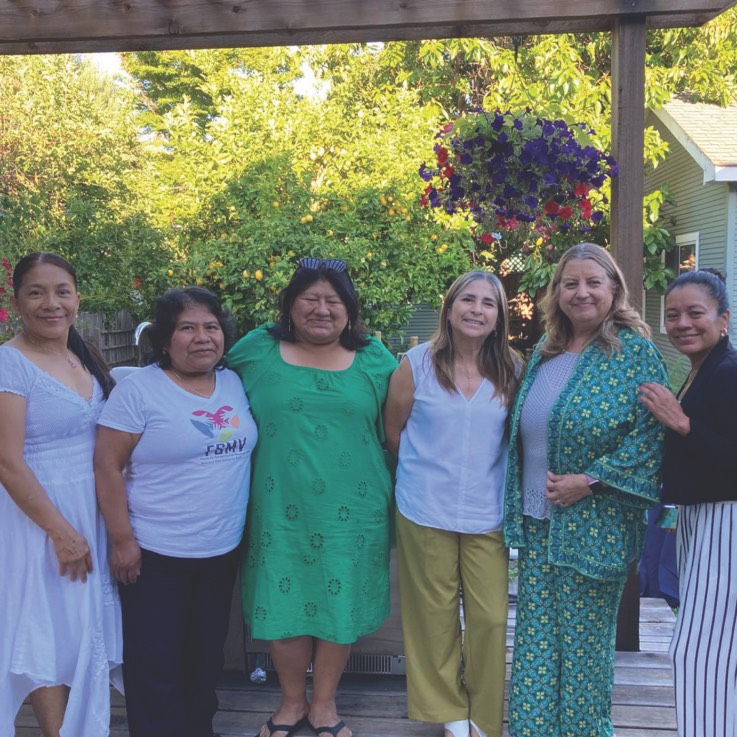
A grassroots effort in Silicon Valley addresses the needs of the working-class immigrant community.


With an understanding of these 10 funding models, nonprofit leaders can use the for-profit world's valuable practice of engaging in succinct and clear conversations about long-term financial strategy.

A decade of applying the collective impact approach to address social problems has taught us that equity is central to the work.

Too many people believe social value is objective, fixed, and stable, when in fact it is subjective, malleable, and variable.

To do as much good as possible with limited resources, funders should look to woefully underfunded protest movements.

Racial bias creeps into all parts of the philanthropic and grantmaking process. The result is that nonprofits led by people of color receive less money than those led by whites, and philanthropy ends up reinforcing the very social ills it says it is trying to overcome.