


Radically Inclusive Changemaking and Its Limits
Alex Budak’s Becoming a Changemaker expands an already expansive concept, yet his argument reinforces the hero myth that still dominates social innovation.
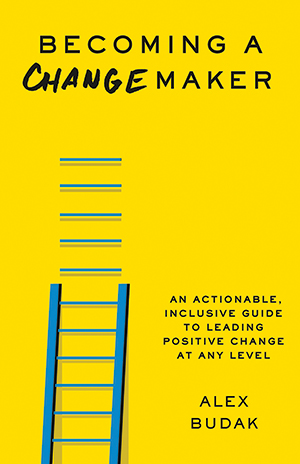
Alex Budak’s Becoming a Changemaker expands an already expansive concept, yet his argument reinforces the hero myth that still dominates social innovation.
While large amounts of money can make a difference, it’s not the only way that philanthropists can have an impact.

It’s time for funders to get real about what social entrepreneurs need to succeed.

Lessons for funders and social change leaders in search of the best ways to collaborate across sectors to end homelessness.

Arts programming in prisons is more than just rehabilitation. It’s radical activism.


With an understanding of these 10 funding models, nonprofit leaders can use the for-profit world's valuable practice of engaging in succinct and clear conversations about long-term financial strategy.

A decade of applying the collective impact approach to address social problems has taught us that equity is central to the work.
Too many people believe social value is objective, fixed, and stable, when in fact it is subjective, malleable, and variable.

To do as much good as possible with limited resources, funders should look to woefully underfunded protest movements.

Racial bias creeps into all parts of the philanthropic and grantmaking process. The result is that nonprofits led by people of color receive less money than those led by whites, and philanthropy ends up reinforcing the very social ills it says it is trying to overcome.