


Philanthropy Must Not Support Hate
Commercial national charities and community foundations should refuse requests by donor-advisors to give to hate groups.

Commercial national charities and community foundations should refuse requests by donor-advisors to give to hate groups.

The social sector will flourish through embracing less patriarchal and more collaborative approaches that focus on long-term systemic change.

Companies use charitable giving to disguise political lobbying.
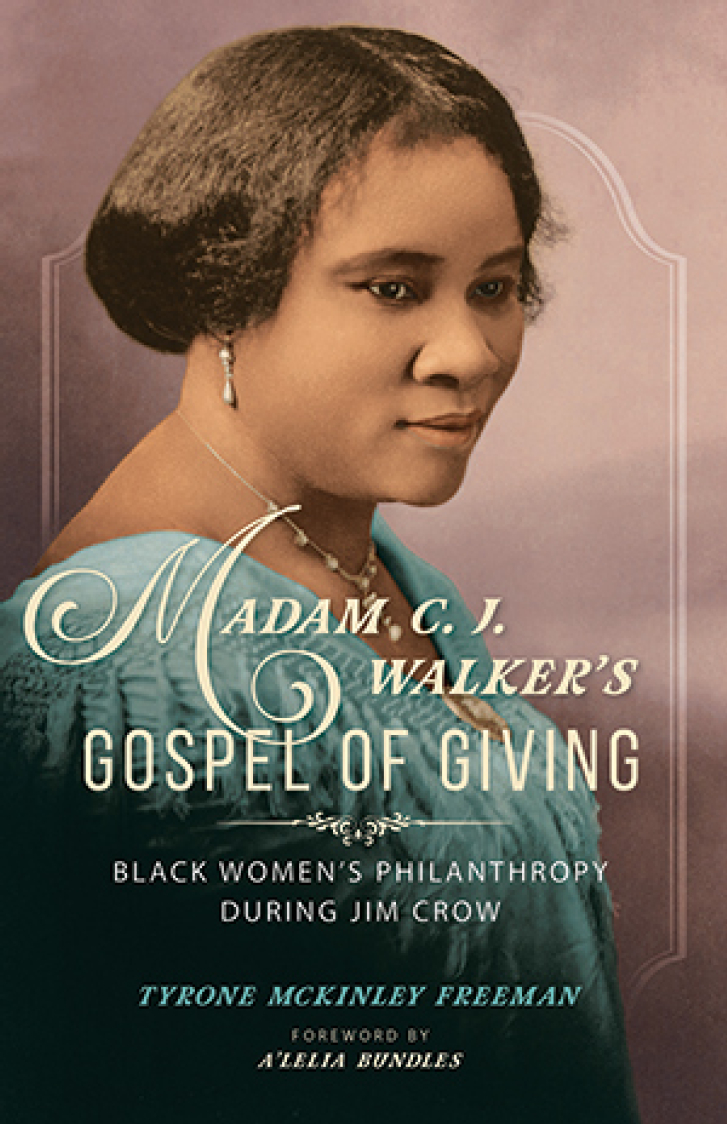
A new biography of Madam C. J. Walker shows how America’s first self-made female millionaire and Black entrepreneur put philanthropy at the center of her business and life.

With pending changes to the federal grantmaking regulations promoting results-oriented accountability, now is a good time for grant makers and grantees to see how using fixed amount awards can promote performance over compliance.


With an understanding of these 10 funding models, nonprofit leaders can use the for-profit world's valuable practice of engaging in succinct and clear conversations about long-term financial strategy.

A decade of applying the collective impact approach to address social problems has taught us that equity is central to the work.

Too many people believe social value is objective, fixed, and stable, when in fact it is subjective, malleable, and variable.

To do as much good as possible with limited resources, funders should look to woefully underfunded protest movements.

Racial bias creeps into all parts of the philanthropic and grantmaking process. The result is that nonprofits led by people of color receive less money than those led by whites, and philanthropy ends up reinforcing the very social ills it says it is trying to overcome.