


A New Local Movement
Benefit Chicago demonstrates how place-based impact investing transforms a community by seeing the investment potential in everyone.

Benefit Chicago demonstrates how place-based impact investing transforms a community by seeing the investment potential in everyone.
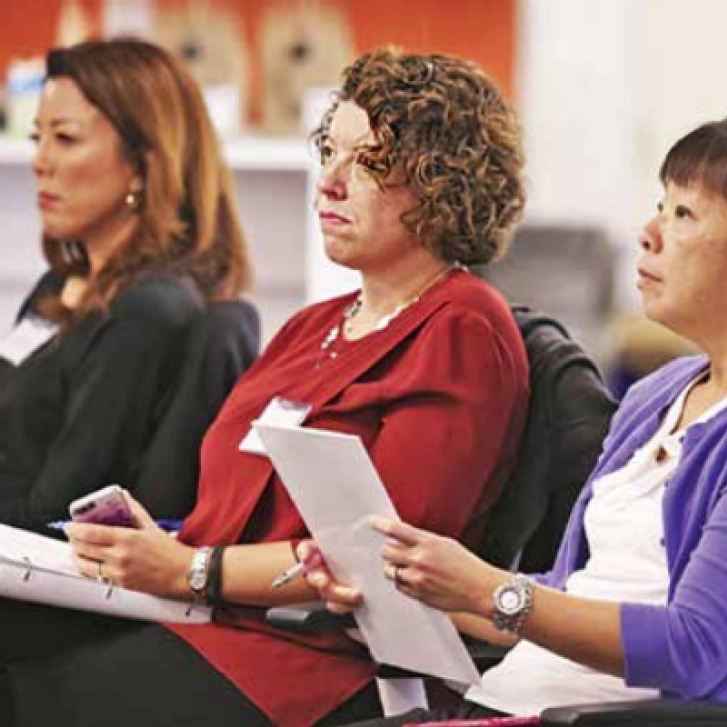
Fund for Shared Insight is pooling the cash and convictions of 13 philanthropies to build the field of end-user feedback. Can its leaders become role models for the positive change they seek to create? Open access to this article is made possible by Rockefeller Philanthropy Advisors (Fund for Shared Insight).

Organizations are increasingly turning to system change to tackle big social problems. But systems are complex, and mastering the process requires observation, patience, and reflection. To begin, here are two
approaches to pursuing system change.

The social sector has a lot to learn from the innovation network that has emerged from the post-Thanksgiving global giving movement.

Research shows that foundations are motivated by impact in their grantmaking.


With an understanding of these 10 funding models, nonprofit leaders can use the for-profit world's valuable practice of engaging in succinct and clear conversations about long-term financial strategy.

A decade of applying the collective impact approach to address social problems has taught us that equity is central to the work.
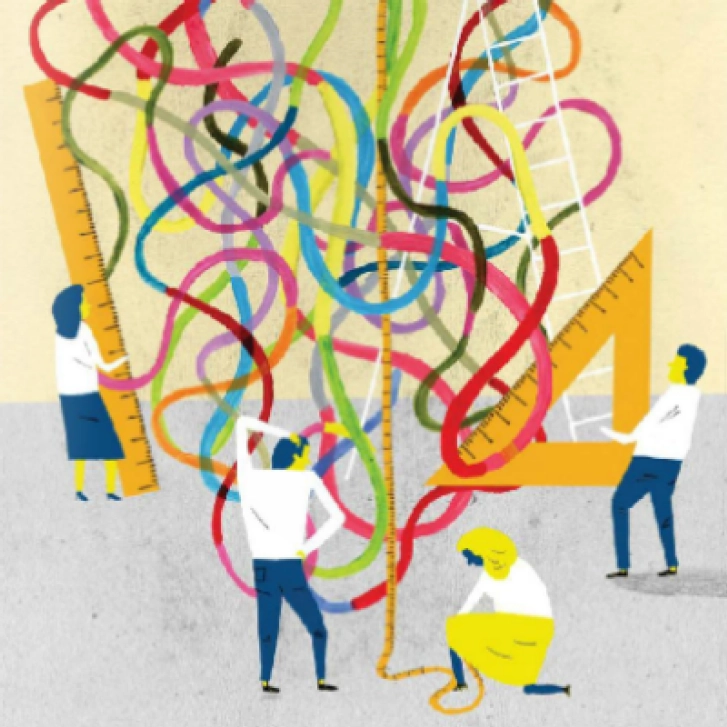
Too many people believe social value is objective, fixed, and stable, when in fact it is subjective, malleable, and variable.

To do as much good as possible with limited resources, funders should look to woefully underfunded protest movements.

Racial bias creeps into all parts of the philanthropic and grantmaking process. The result is that nonprofits led by people of color receive less money than those led by whites, and philanthropy ends up reinforcing the very social ills it says it is trying to overcome.