The Collective Impact of Suspending Suspensions
An excerpt of Twenty Years of Life: Why the Poor Die Earlier and How the Challenge Inequity
An excerpt of Twenty Years of Life: Why the Poor Die Earlier and How the Challenge Inequity
Funders and others can better support the involvement of those who use social services in service design and implementation. And by doing so, they can generate more meaningful, systems-level impact.
American civil society has a history of and reputation for political independence—and alongside it, accountability, transparency, and governance. But these unique qualities are at risk.
How philanthropy can help people navigate the future of work.
A look at how three direct-service organizations in Indiana are weathering an age-old funding challenge.


With an understanding of these 10 funding models, nonprofit leaders can use the for-profit world's valuable practice of engaging in succinct and clear conversations about long-term financial strategy.

A decade of applying the collective impact approach to address social problems has taught us that equity is central to the work.
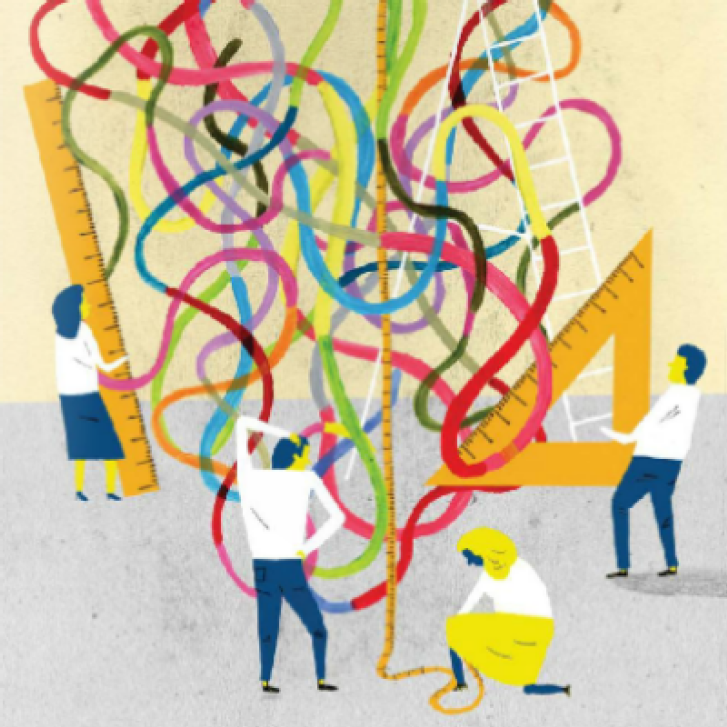
Too many people believe social value is objective, fixed, and stable, when in fact it is subjective, malleable, and variable.

To do as much good as possible with limited resources, funders should look to woefully underfunded protest movements.

Racial bias creeps into all parts of the philanthropic and grantmaking process. The result is that nonprofits led by people of color receive less money than those led by whites, and philanthropy ends up reinforcing the very social ills it says it is trying to overcome.