Time to Reboot Grantmaking
Social sector organizations need a “healthy diet” of funding to achieve maximum impact, a concept neatly captured by the Grantmaking Pyramid now used by the Ford Foundation.
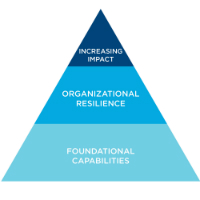
Social sector organizations need a “healthy diet” of funding to achieve maximum impact, a concept neatly captured by the Grantmaking Pyramid now used by the Ford Foundation.
Three considerations for nonprofits looking to work together to raise funds.
It’s worth remembering that communities have the power to take away philanthropy’s social license to operate.
Lessons from experiments in nonprofit innovation at 92Y.

When should funders commit to making multi-million dollar grants, and when should they take a more gradual, steady approach?


With an understanding of these 10 funding models, nonprofit leaders can use the for-profit world's valuable practice of engaging in succinct and clear conversations about long-term financial strategy.

A decade of applying the collective impact approach to address social problems has taught us that equity is central to the work.
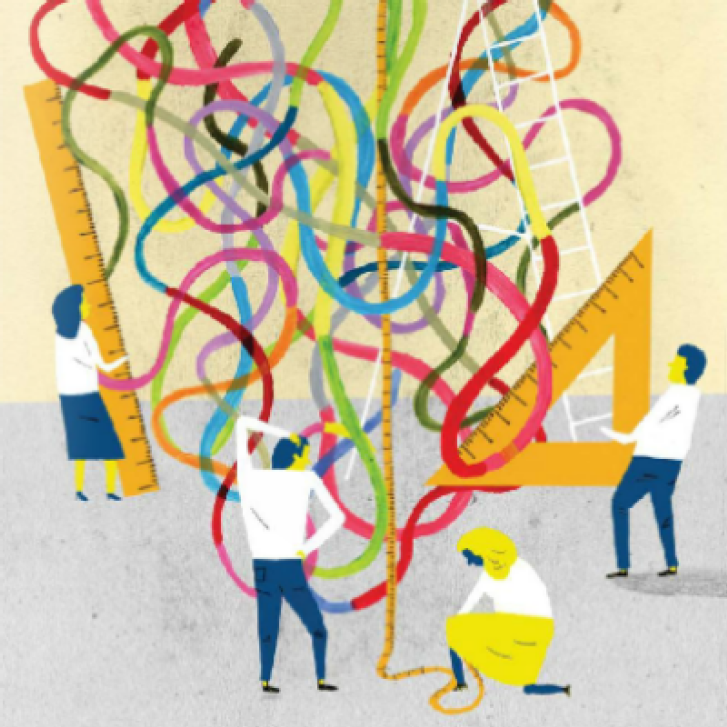
Too many people believe social value is objective, fixed, and stable, when in fact it is subjective, malleable, and variable.

To do as much good as possible with limited resources, funders should look to woefully underfunded protest movements.
Racial bias creeps into all parts of the philanthropic and grantmaking process. The result is that nonprofits led by people of color receive less money than those led by whites, and philanthropy ends up reinforcing the very social ills it says it is trying to overcome.