


The Charity That Big Tech Built
The Silicon Valley Community Foundation has grown to become one of the world’s most well-funded foundations. But who in the Valley benefits from this largesse?

The Silicon Valley Community Foundation has grown to become one of the world’s most well-funded foundations. But who in the Valley benefits from this largesse?

Charitable appeals that address a wealthy person’s agency are more effective.

The funding ecosystem has a greater role to play in the survival of nonprofits than their internal structure.
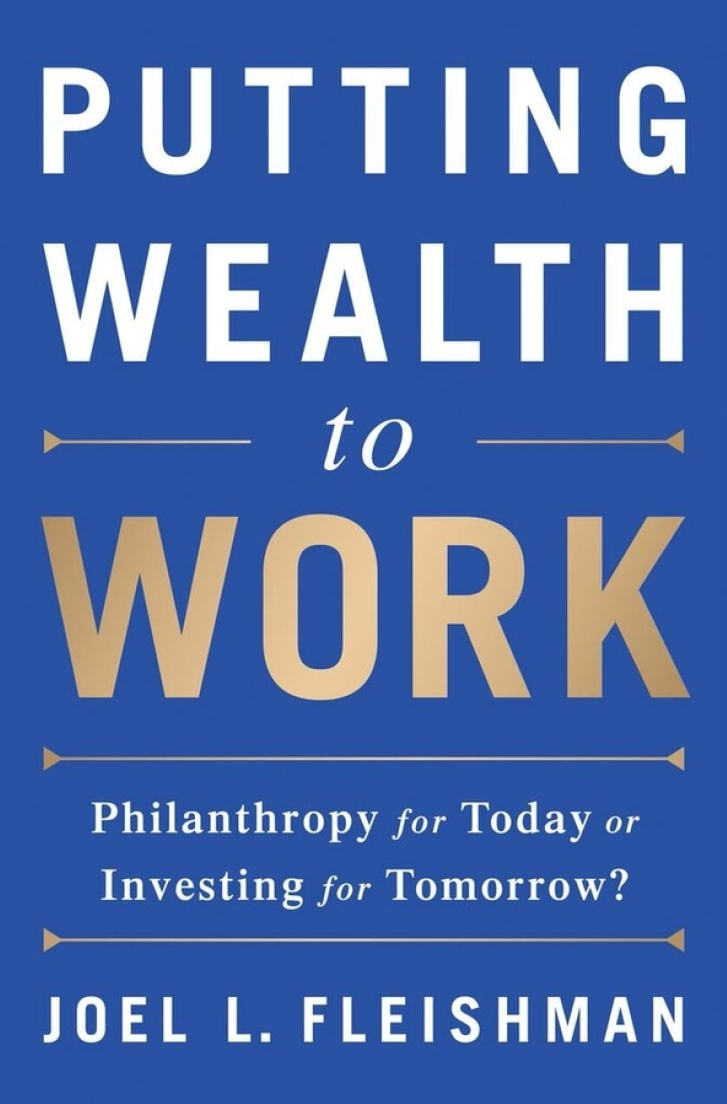
Limited-life foundations are currently all the rage, but Fleishman’s book reminds us that perpetual, endowed foundations are in many cases preferable.

Six ways funders can help support quality education for all students and improve communities in the process.


With an understanding of these 10 funding models, nonprofit leaders can use the for-profit world's valuable practice of engaging in succinct and clear conversations about long-term financial strategy.

A decade of applying the collective impact approach to address social problems has taught us that equity is central to the work.

Too many people believe social value is objective, fixed, and stable, when in fact it is subjective, malleable, and variable.

To do as much good as possible with limited resources, funders should look to woefully underfunded protest movements.

Racial bias creeps into all parts of the philanthropic and grantmaking process. The result is that nonprofits led by people of color receive less money than those led by whites, and philanthropy ends up reinforcing the very social ills it says it is trying to overcome.