



Can a Surge in Giving Be Bad News?
Recent leaps in giving to specific causes in the United States probably don’t represent a net addition to the annual total—which means a lean season for many nonprofits unless foundations step up their game.
Recent leaps in giving to specific causes in the United States probably don’t represent a net addition to the annual total—which means a lean season for many nonprofits unless foundations step up their game.
How the Internet giant Tencent is using its online platform to help increase charitable giving in China.
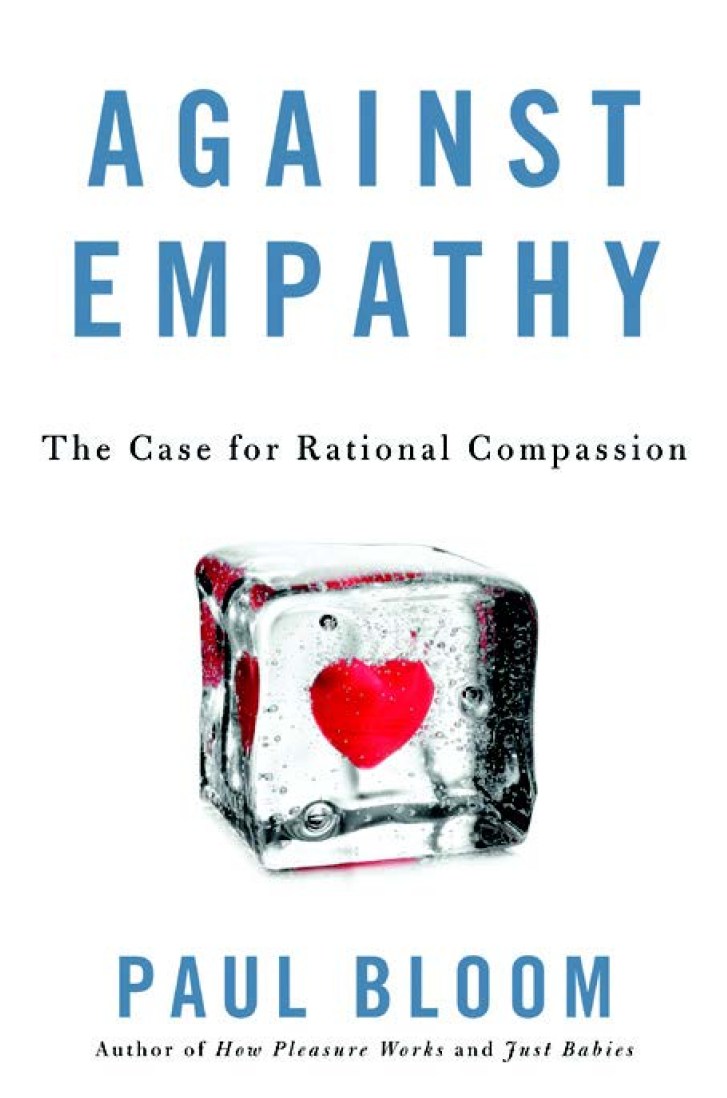
A Yale psychologist offers a passionate account of the negative effects of passion but ends up with a more temperate conclusion.

The effective altruism movement could be more effective if it encouraged adoption of its principles within causes and geographies, not just across them.

Two decades of giving have taught philanthropist Rohini Nilekani the value of pursuing unconventional approaches to tackling social problems.


With an understanding of these 10 funding models, nonprofit leaders can use the for-profit world's valuable practice of engaging in succinct and clear conversations about long-term financial strategy.

A decade of applying the collective impact approach to address social problems has taught us that equity is central to the work.

Too many people believe social value is objective, fixed, and stable, when in fact it is subjective, malleable, and variable.

To do as much good as possible with limited resources, funders should look to woefully underfunded protest movements.

Racial bias creeps into all parts of the philanthropic and grantmaking process. The result is that nonprofits led by people of color receive less money than those led by whites, and philanthropy ends up reinforcing the very social ills it says it is trying to overcome.