


Q&A With Ratan Tata
Since becoming chairman of Tata Trusts, Ratan Tata has shifted the trusts’ focus from charitable work to programs that seek to transform lives.
Since becoming chairman of Tata Trusts, Ratan Tata has shifted the trusts’ focus from charitable work to programs that seek to transform lives.
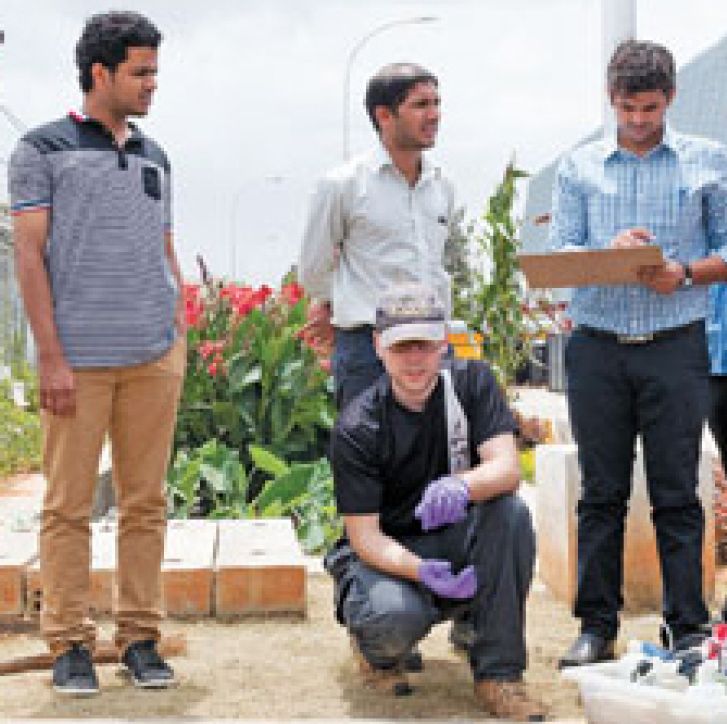
Sewage treatment systems are being built that are simpler and less expensive.

The Aga Khan Development Network is empowering communities.

India provides particularly fertile ground for the gender-lens grantmaking movement.

What makes for an effective impact investing strategy? Michael McCreless of Root Capital, Matt Bannick of Omidyar Network, and Stanford's Paul Brest expand on their articles in SSIR.


With an understanding of these 10 funding models, nonprofit leaders can use the for-profit world's valuable practice of engaging in succinct and clear conversations about long-term financial strategy.

A decade of applying the collective impact approach to address social problems has taught us that equity is central to the work.

Too many people believe social value is objective, fixed, and stable, when in fact it is subjective, malleable, and variable.

To do as much good as possible with limited resources, funders should look to woefully underfunded protest movements.

Racial bias creeps into all parts of the philanthropic and grantmaking process. The result is that nonprofits led by people of color receive less money than those led by whites, and philanthropy ends up reinforcing the very social ills it says it is trying to overcome.