


The Price of Giving
A critique of the Gates Foundation doubles as a critique of the “philanthrocapitalism” model in general.

A critique of the Gates Foundation doubles as a critique of the “philanthrocapitalism” model in general.

Social innovators in India are making progress against social problems as varied as the lack of high-quality education, limited access to clean water and hygiene, and inadequate nutrition.

Indian Americans are donating more than ever before to support broad-based social change aimed at reducing India’s inequities.

Silicon Valley insider Ram Shriram is focusing a great deal of time, money, and energy on helping innovative NGOs improve K–12 education in India.
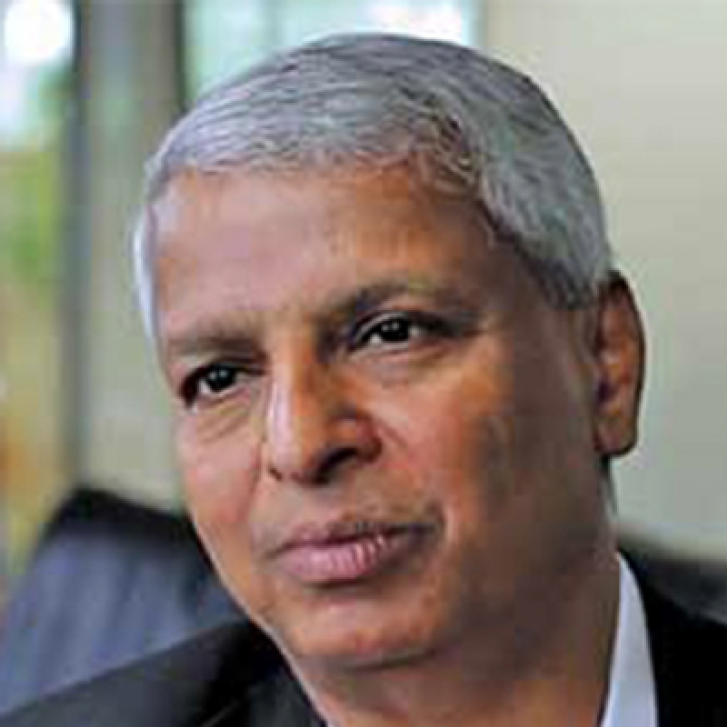
Serial technology entrepreneur Desh Deshpande is taking innovation techniques created at MIT and using them to solve social problems in India.


With an understanding of these 10 funding models, nonprofit leaders can use the for-profit world's valuable practice of engaging in succinct and clear conversations about long-term financial strategy.

A decade of applying the collective impact approach to address social problems has taught us that equity is central to the work.

Too many people believe social value is objective, fixed, and stable, when in fact it is subjective, malleable, and variable.

To do as much good as possible with limited resources, funders should look to woefully underfunded protest movements.

Racial bias creeps into all parts of the philanthropic and grantmaking process. The result is that nonprofits led by people of color receive less money than those led by whites, and philanthropy ends up reinforcing the very social ills it says it is trying to overcome.