


Planning Equitable Cities
Smart Growth America's new Center for Zoning Solutions offers a headquarters for the zoning reform movement.
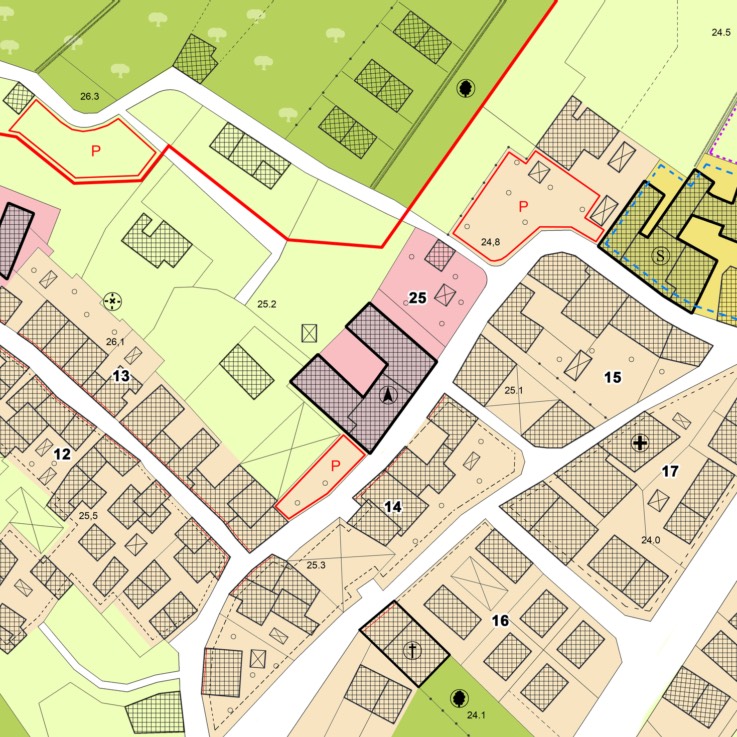
Smart Growth America's new Center for Zoning Solutions offers a headquarters for the zoning reform movement.

Oil and gas's dominance over American life can feel like a David vs. Goliath story. Despite the odds, growing pushback in red, blue, and purple states shows that the Davids have more power than we might think—and philanthropy can help them win.
While conflict is a natural part of any relationship, family philanthropies must manage it well to ensure internal issues are not a barrier to impact. What are the best ways to anticipate and deal with disagreements when they arise? Three leaders with experience in the field share their perspectives. A sponsored podcast developed with the support of DAFgiving360
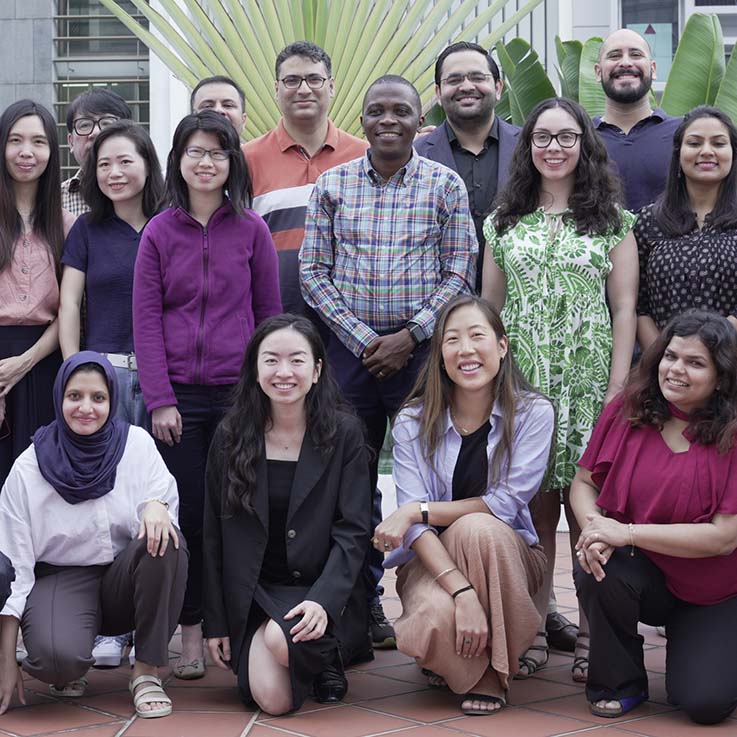
Why climate-related philanthropy must invest in the human capacities to get the work done.

A new toolkit to reinforce and reinvent American research science in a time of crisis.


With an understanding of these 10 funding models, nonprofit leaders can use the for-profit world's valuable practice of engaging in succinct and clear conversations about long-term financial strategy.

A decade of applying the collective impact approach to address social problems has taught us that equity is central to the work.
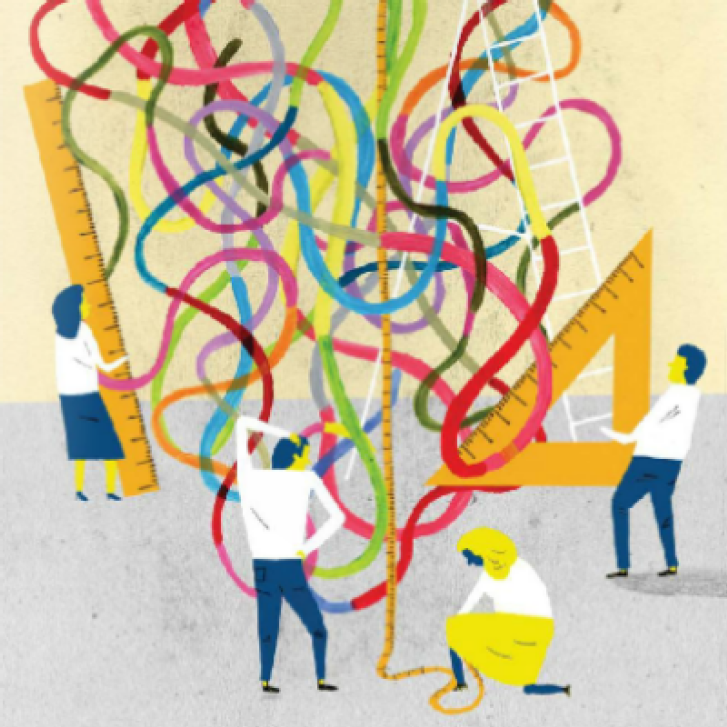
Too many people believe social value is objective, fixed, and stable, when in fact it is subjective, malleable, and variable.

To do as much good as possible with limited resources, funders should look to woefully underfunded protest movements.

Racial bias creeps into all parts of the philanthropic and grantmaking process. The result is that nonprofits led by people of color receive less money than those led by whites, and philanthropy ends up reinforcing the very social ills it says it is trying to overcome.