


Why Conservation Needs a New Way to Scale
Conventional routes to scaling impact don’t always work. Conservation nonprofits and social ventures should be wary of the lure of a large partner and consider replicating from the grassroots instead.
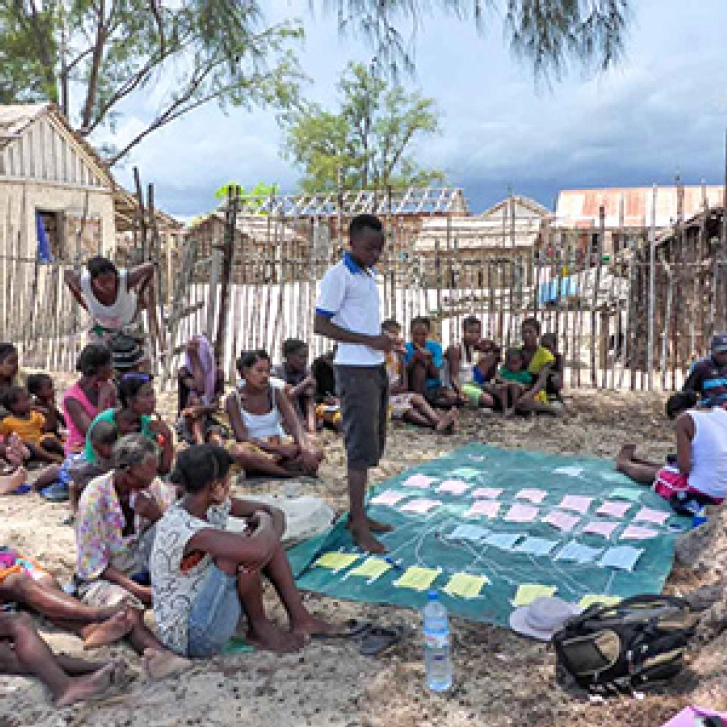
Conventional routes to scaling impact don’t always work. Conservation nonprofits and social ventures should be wary of the lure of a large partner and consider replicating from the grassroots instead.

Corporate America has never been more committed to volunteering, but connecting the talent of the private sector with the needs of the social sector—at scale—can’t happen without a network to bring them together. Here is how an unlikely coalition of CSR leaders is opening up closed platforms to create better cross-sector solutions.

A reflection on how a set of strategies related to target-setting, financial modeling, program measurement, and organizational culture helped one organization reach a major milestone.

How the Abdul Latif Jameel Poverty Action Lab (J-PAL) and the Evidence to Policy (E2P) community are integrating innovation and evidence into social policy and practice at scale.

The social enterprise digitalundivided is disrupting the startup world for black and Latinx women entrepreneurs. A Field Report from the Spring 2020 issue.


Since 1970, more than 200,000 nonprofits have opened in the U.S., but only 144 have reached $50 million in annual revenue. They got big by doing two things: They raised the bulk of their money from a single type of funder. And just as importantly, these nonprofits created professional organizations that were tailored to the needs of their primary funding sources.

A decade of applying the collective impact approach to address social problems has taught us that equity is central to the work.

How do innovations move from the edges to the core of what an organization does? For maximum impact, innovations must cease to be innovative and become institutionalized and normalized.

Impact evaluations are an important tool for learning about effective solutions to social problems, but they are a good investment only in the right circumstances.

Scaling requires not only fidelity to core processes and programs, but also constant adjustments to local needs and resources.