More Than a Meal
Technical ingenuity and private funding enable Akshaya Patra to serve hot, healthy lunches to 1.4 million Indian children every day.
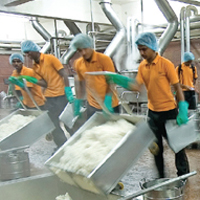
Technical ingenuity and private funding enable Akshaya Patra to serve hot, healthy lunches to 1.4 million Indian children every day.
How a continent of over 1 billion off-grid customers can move from darkness to light over the next decade.

A highly focused effort in Kenya to treat worm infections in children delivers lessons on how to expand a proven program.
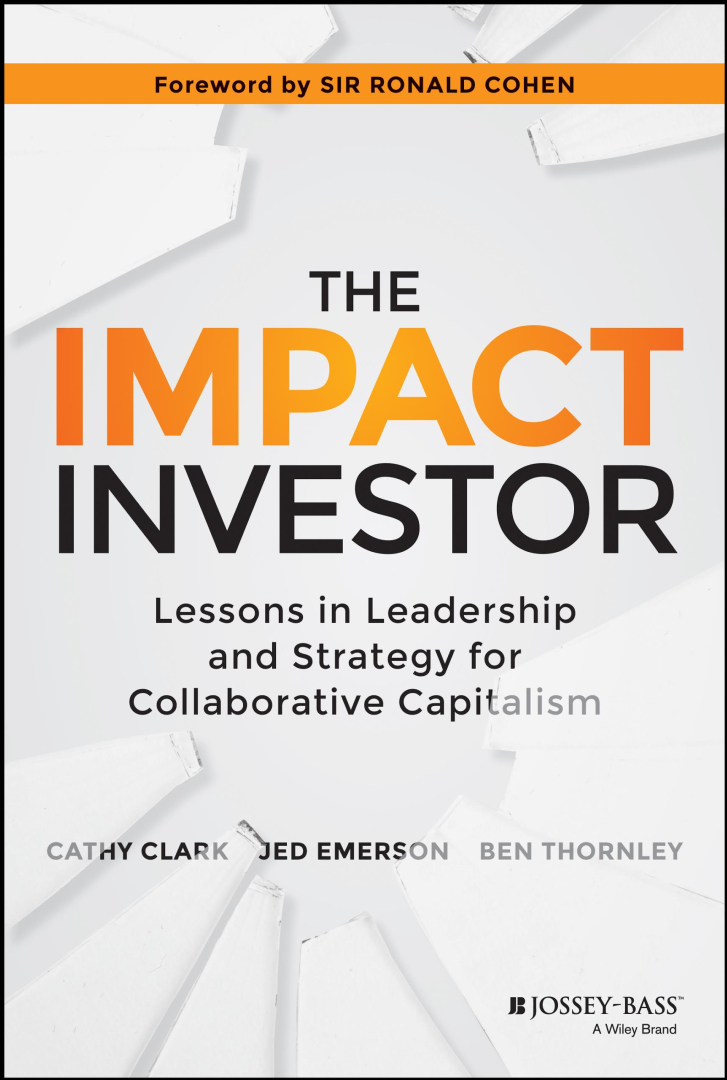
The Impact Investor offers precise practices and suggestions for impactful investing from various experiences.

Why one successful youth program resisted the urge to expand too quickly.


Since 1970, more than 200,000 nonprofits have opened in the U.S., but only 144 have reached $50 million in annual revenue. They got big by doing two things: They raised the bulk of their money from a single type of funder. And just as importantly, these nonprofits created professional organizations that were tailored to the needs of their primary funding sources.

A decade of applying the collective impact approach to address social problems has taught us that equity is central to the work.

How do innovations move from the edges to the core of what an organization does? For maximum impact, innovations must cease to be innovative and become institutionalized and normalized.

Impact evaluations are an important tool for learning about effective solutions to social problems, but they are a good investment only in the right circumstances.

Scaling requires not only fidelity to core processes and programs, but also constant adjustments to local needs and resources.