


Equity Along the Paths to and Through College
How a New York community center is training college advisors, school counselors, volunteers, and members of community-based organizations to provide high-quality college advising.

How a New York community center is training college advisors, school counselors, volunteers, and members of community-based organizations to provide high-quality college advising.
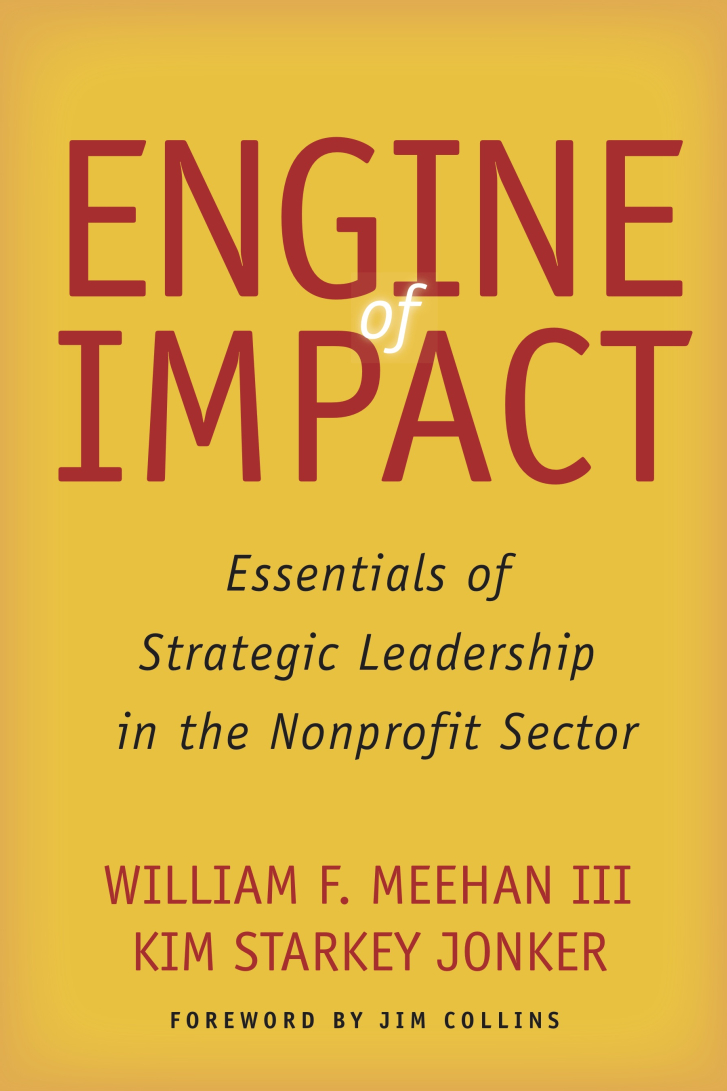
Not every nonprofit organization can do everything well. That’s one reason why every nonprofit must work relentlessly to achieve and retain its strategic focus—a commitment to doing what it does best.

Three common ways the pay gap is measured, what leading companies are doing about it, and the best strategies to consider today.
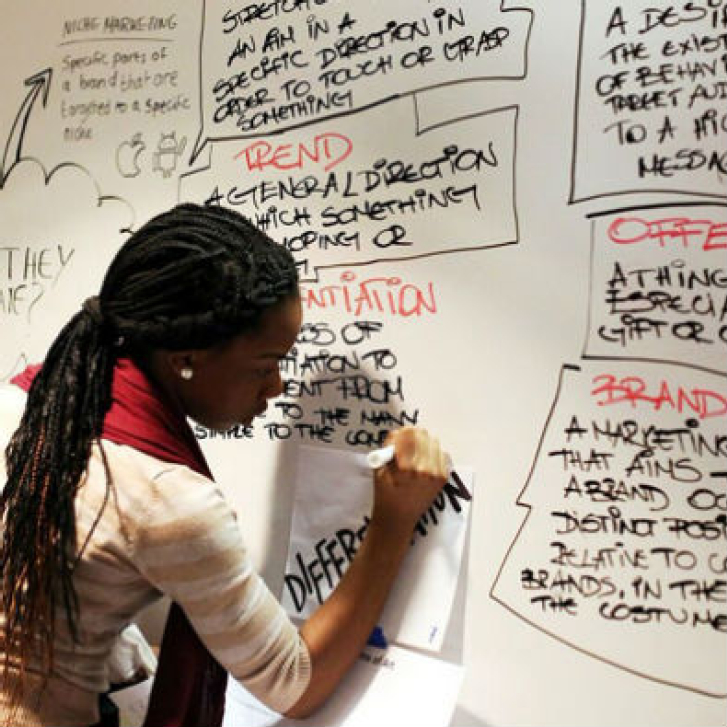
Activating the entrepreneurial mindset in young people is critical to their future success and breaking down structural inequities in communities.
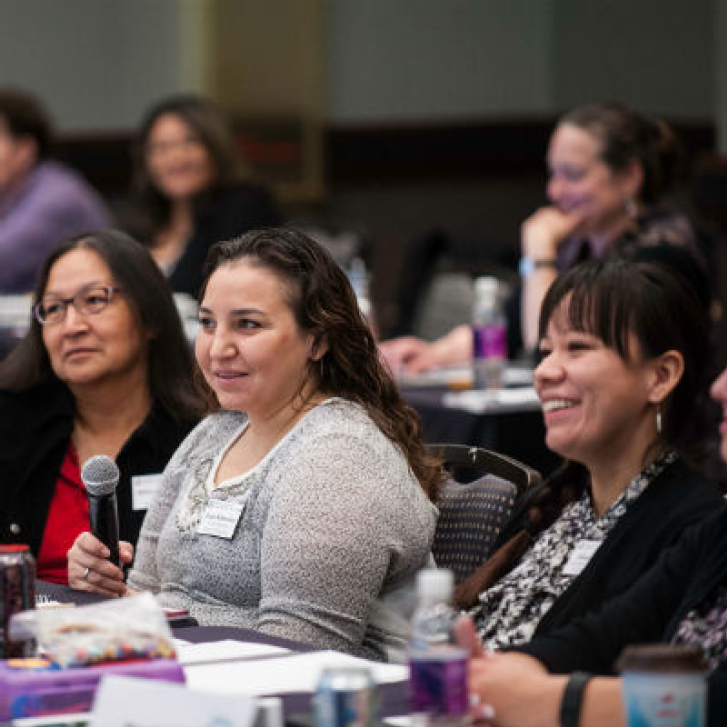
At the Bush Foundation, grantmakers use an analytical approach to identify the right people who can make a difference, and supply them with the tools, connections, and inspiration they need.


Funders are calling for more program evaluation, but nonprofits are often collecting dubious data, at great cost to themselves and ultimately to the people they serve.

Large-scale social change requires broad cross-sector coordination, not the isolated intervention of individual organizations.

For NGOs, impact comes in different forms and to track the cycles of social change work, we must think across the tangibility and the speed of emergence of change.

With an understanding of these 10 funding models, nonprofit leaders can use the for-profit world's valuable practice of engaging in succinct and clear conversations about long-term financial strategy.

Social entrepreneurship is attracting growing amounts of talent, money, and attention, but along with its increasing popularity has come less certainty about what exactly a social entrepreneur is and does.