


Built WELL
Taking a lead from LEED certification, a new standard aims to promote healthy construction of homes, offices, and other structures.
Taking a lead from LEED certification, a new standard aims to promote healthy construction of homes, offices, and other structures.
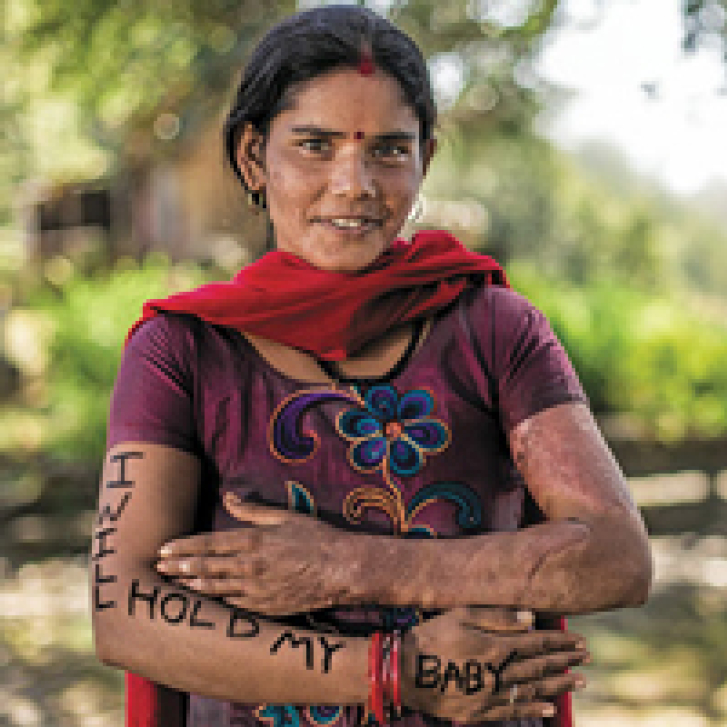
In Nepal, a US-based nonprofit is partnering with the national government to deliver full-service medical care in remote areas.

After Change.org placed petitions at the center of its platform, the size of its membership soared. But operating a high-volume petition site isn’t enough for its leaders. Includes magazine extras.

Thanks to the New Teacher Center, beginning educators gain support that will help them thrive in a challenging profession.

Leaders at the Atlantic Philanthropies are modeling best practices for winding down a large, high-profile foundation. Includes magazine extras.


Funders are calling for more program evaluation, but nonprofits are often collecting dubious data, at great cost to themselves and ultimately to the people they serve.

Large-scale social change requires broad cross-sector coordination, not the isolated intervention of individual organizations.

For NGOs, impact comes in different forms and to track the cycles of social change work, we must think across the tangibility and the speed of emergence of change.

With an understanding of these 10 funding models, nonprofit leaders can use the for-profit world's valuable practice of engaging in succinct and clear conversations about long-term financial strategy.

Social entrepreneurship is attracting growing amounts of talent, money, and attention, but along with its increasing popularity has come less certainty about what exactly a social entrepreneur is and does.