Impact, Not Overhead, Is What Counts
A look at barriers global NGOs face in reporting the right measures of effectiveness—and how funders and grantees can begin to overcome them.
A look at barriers global NGOs face in reporting the right measures of effectiveness—and how funders and grantees can begin to overcome them.
By introducing a learning agenda, funders can encourage innovation, drive philanthropic dollars to the best programs, and become better partners to grantees.
Takeaways from a discussion on the promises and perils of innovation in the social sector.
Blackstone’s Amy Stursberg explains how the Blackstone Charitable Foundation has focused on job creation and created a platform for near- and long-term impact.
Could these be the new tools of development for the 21st century?


Funders are calling for more program evaluation, but nonprofits are often collecting dubious data, at great cost to themselves and ultimately to the people they serve.

Large-scale social change requires broad cross-sector coordination, not the isolated intervention of individual organizations.
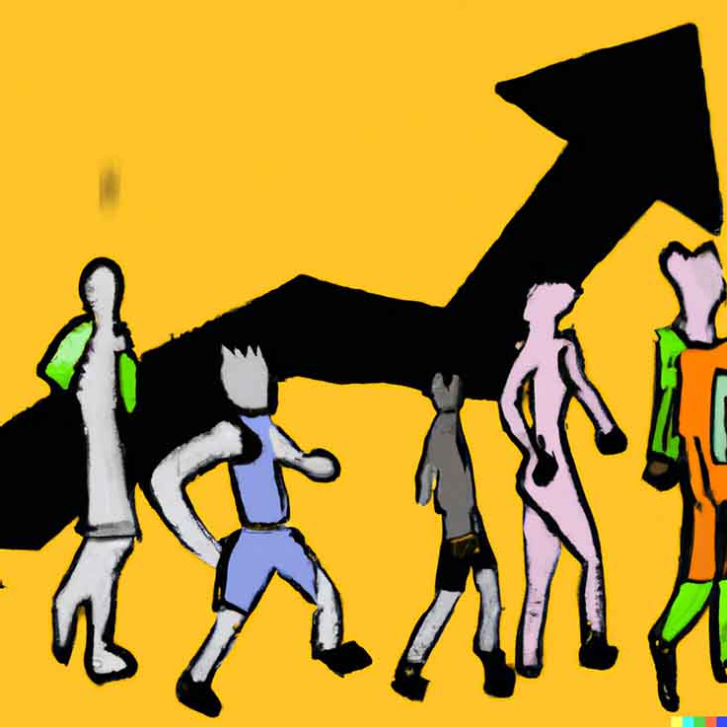
For NGOs, impact comes in different forms and to track the cycles of social change work, we must think across the tangibility and the speed of emergence of change.

With an understanding of these 10 funding models, nonprofit leaders can use the for-profit world's valuable practice of engaging in succinct and clear conversations about long-term financial strategy.

Social entrepreneurship is attracting growing amounts of talent, money, and attention, but along with its increasing popularity has come less certainty about what exactly a social entrepreneur is and does.