


Why ESG Is Not Enough
An excerpt from Sustainable Sustainability on steward leadership
An excerpt from Sustainable Sustainability on steward leadership

Colonialism has contributed to enduring power imbalances between Okinawa and mainland Japan, but there is a path forward through policy change.
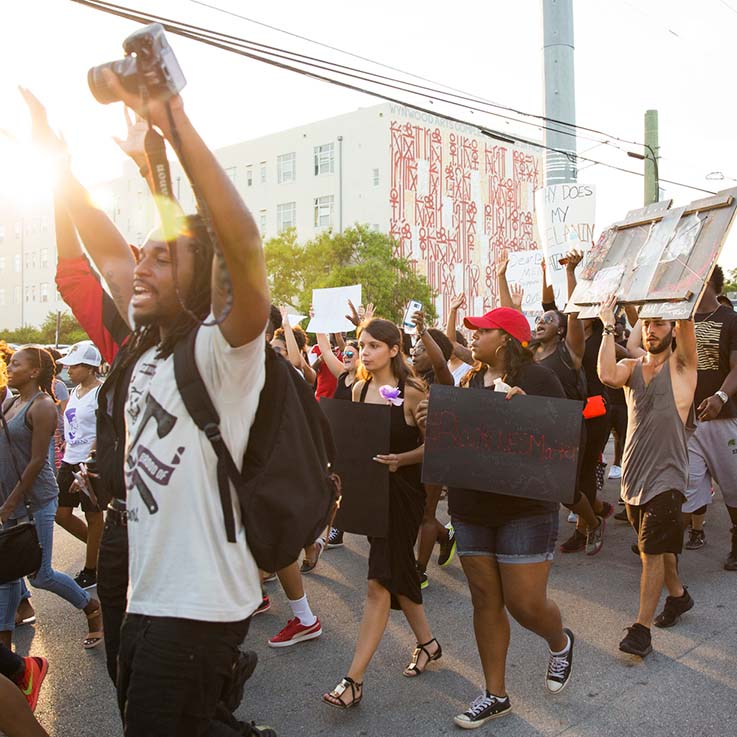
After myriad funder press releases and pledges, both racial equity and racial justice grantmaking dropped significantly between 2018 and 2021.

Is it possible for modern capital fundraising to be grounded in socially just principles?
An excerpt from Scaling Altruism on creating a business plan for nonprofit growth


Funders are calling for more program evaluation, but nonprofits are often collecting dubious data, at great cost to themselves and ultimately to the people they serve.

Large-scale social change requires broad cross-sector coordination, not the isolated intervention of individual organizations.

For NGOs, impact comes in different forms and to track the cycles of social change work, we must think across the tangibility and the speed of emergence of change.

With an understanding of these 10 funding models, nonprofit leaders can use the for-profit world's valuable practice of engaging in succinct and clear conversations about long-term financial strategy.

Social entrepreneurship is attracting growing amounts of talent, money, and attention, but along with its increasing popularity has come less certainty about what exactly a social entrepreneur is and does.