


Discipline, Punish, and Palliate
Palliative measures such as needle-exchange programs form a third model of neoliberal urban-poverty governance alongside policing and paternalism.

Palliative measures such as needle-exchange programs form a third model of neoliberal urban-poverty governance alongside policing and paternalism.

Investors exert more influence over corporate management through engagement than through boycotts and divestment.
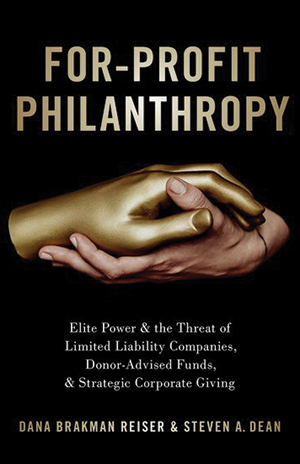
The coauthors of For-Profit Philanthropy recommend policies to reestablish the public’s trust in philanthropy—but did it ever exist?

A collection of standout pieces published online about housing justice, ESG, funding social ventures, and the effects of large, unrestricted gifts on leaders.

Looking back on the first two decades of SSIR.


Funders are calling for more program evaluation, but nonprofits are often collecting dubious data, at great cost to themselves and ultimately to the people they serve.

Large-scale social change requires broad cross-sector coordination, not the isolated intervention of individual organizations.

For NGOs, impact comes in different forms and to track the cycles of social change work, we must think across the tangibility and the speed of emergence of change.

With an understanding of these 10 funding models, nonprofit leaders can use the for-profit world's valuable practice of engaging in succinct and clear conversations about long-term financial strategy.

Social entrepreneurship is attracting growing amounts of talent, money, and attention, but along with its increasing popularity has come less certainty about what exactly a social entrepreneur is and does.