


Four Ways to Age-Integrate National Service
National service programs can bring together older and younger people to serve side by side, producing a windfall of human and social capital, plus much-needed generational and cultural understanding.

National service programs can bring together older and younger people to serve side by side, producing a windfall of human and social capital, plus much-needed generational and cultural understanding.

Insightful quotes and summaries of sessions from the “People, Power, Resources: Enacting an Equitable Future" conference.
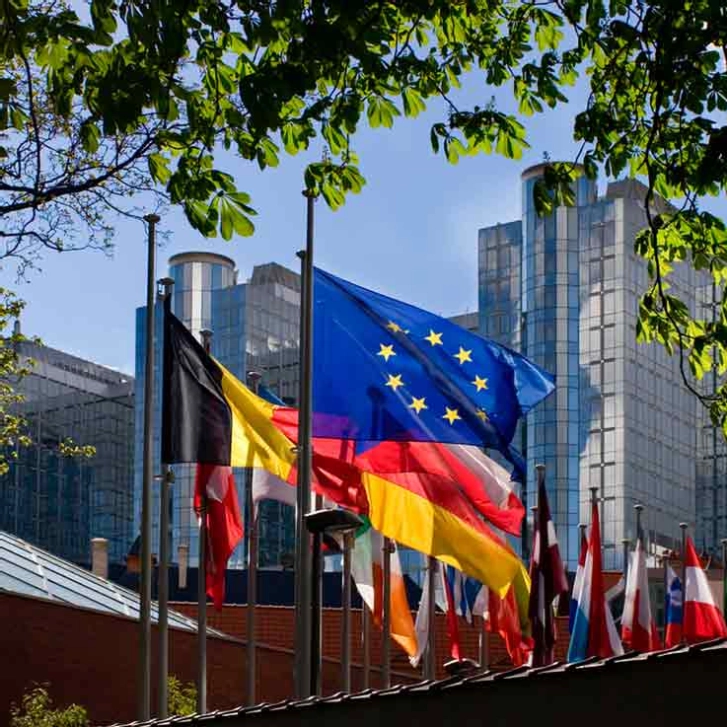
Sensible innovation policy design, targeted at innovations for the public good, can be a crucial tool in helping our societies recover and rebuild.
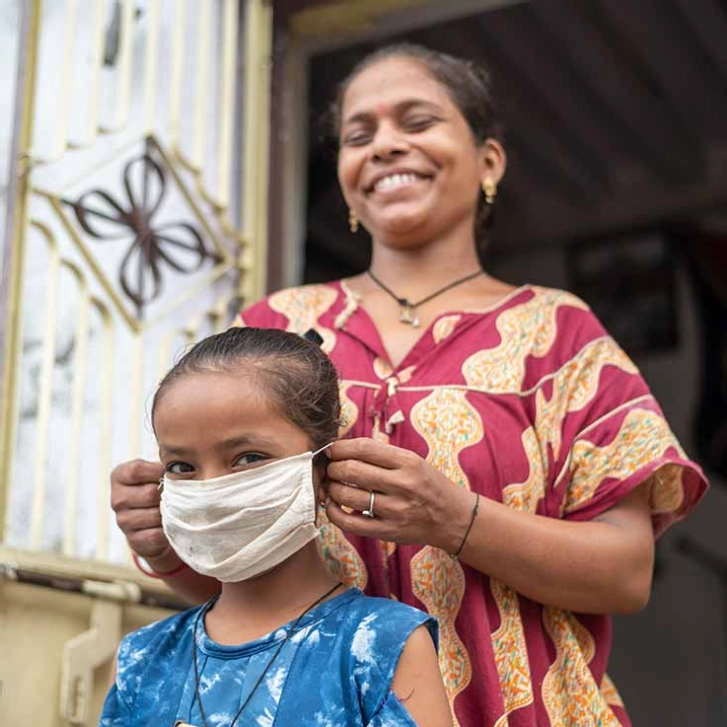
Four principles were key to the success of the COVID-19 Solidarity Response Fund, a joint effort of the UN Foundation and the World Health Organization to raise hundreds of millions of dollars to help nations around the world survive the pandemic.

Implementation science has not advanced equitable outcomes routinely, explicitly, or intentionally. Here’s how it can.


Funders are calling for more program evaluation, but nonprofits are often collecting dubious data, at great cost to themselves and ultimately to the people they serve.

Large-scale social change requires broad cross-sector coordination, not the isolated intervention of individual organizations.
For NGOs, impact comes in different forms and to track the cycles of social change work, we must think across the tangibility and the speed of emergence of change.

With an understanding of these 10 funding models, nonprofit leaders can use the for-profit world's valuable practice of engaging in succinct and clear conversations about long-term financial strategy.
Social entrepreneurship is attracting growing amounts of talent, money, and attention, but along with its increasing popularity has come less certainty about what exactly a social entrepreneur is and does.