


Leading With Humanity
An excerpt from Philanthropy Revolution examines what it means if fundraisers privilege a different set of values in courting a new generation of donors.
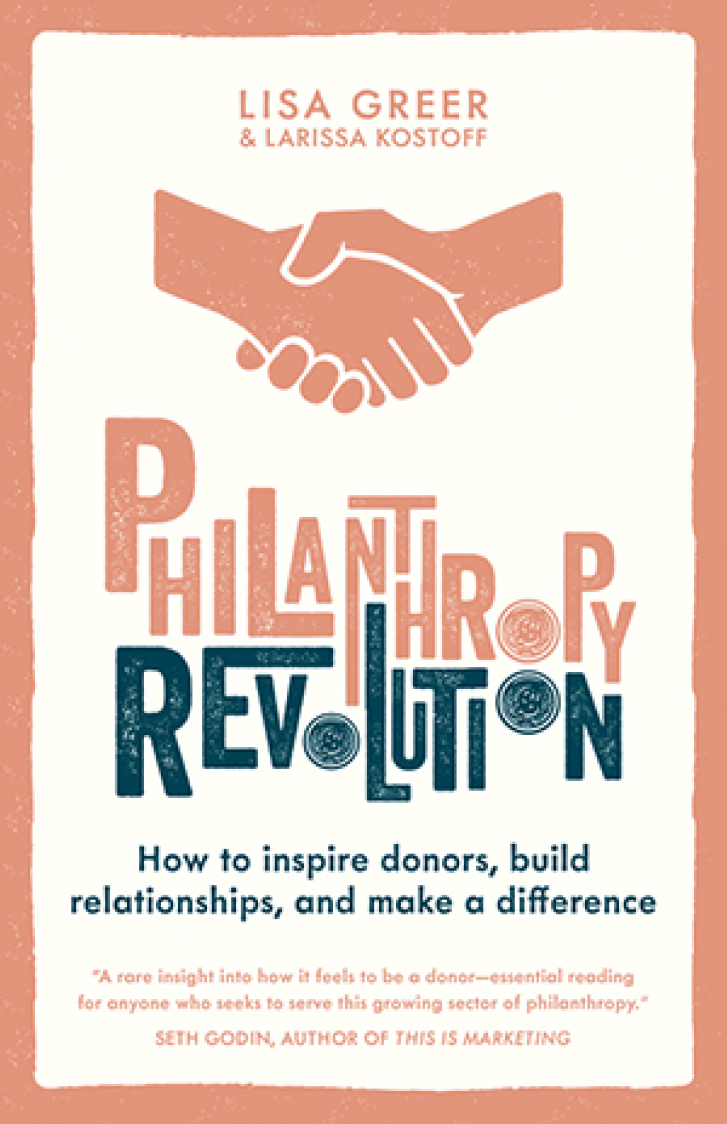
An excerpt from Philanthropy Revolution examines what it means if fundraisers privilege a different set of values in courting a new generation of donors.

While allies and advisors are important in our work, it’s more important to support and develop our own Indigenous power, leadership, and decision-making.

Keeping a giving circle going strong entails adhering to four principles, according to the founder of Everychild Foundation, which has an average member retention rate surpassing 90 percent.

Five characteristics of effective corporate impact investors to help guide an emerging field.
To be laboratories of a more inclusive prosperity, American companies need to try new ways to help workers share in the fruits of their labor, and they need the space and freedom to experiment.


Funders are calling for more program evaluation, but nonprofits are often collecting dubious data, at great cost to themselves and ultimately to the people they serve.

Large-scale social change requires broad cross-sector coordination, not the isolated intervention of individual organizations.

For NGOs, impact comes in different forms and to track the cycles of social change work, we must think across the tangibility and the speed of emergence of change.

With an understanding of these 10 funding models, nonprofit leaders can use the for-profit world's valuable practice of engaging in succinct and clear conversations about long-term financial strategy.

Social entrepreneurship is attracting growing amounts of talent, money, and attention, but along with its increasing popularity has come less certainty about what exactly a social entrepreneur is and does.