Diversity in Art Museum Leadership: A Funder Collaboration
A look at how a set of unique partnerships and a new evaluative framework is supporting the development of more-inclusive, equitable art museum leadership.

A look at how a set of unique partnerships and a new evaluative framework is supporting the development of more-inclusive, equitable art museum leadership.

New digital projects could make legal services far more accessible—but they need to be about more than just the technology.
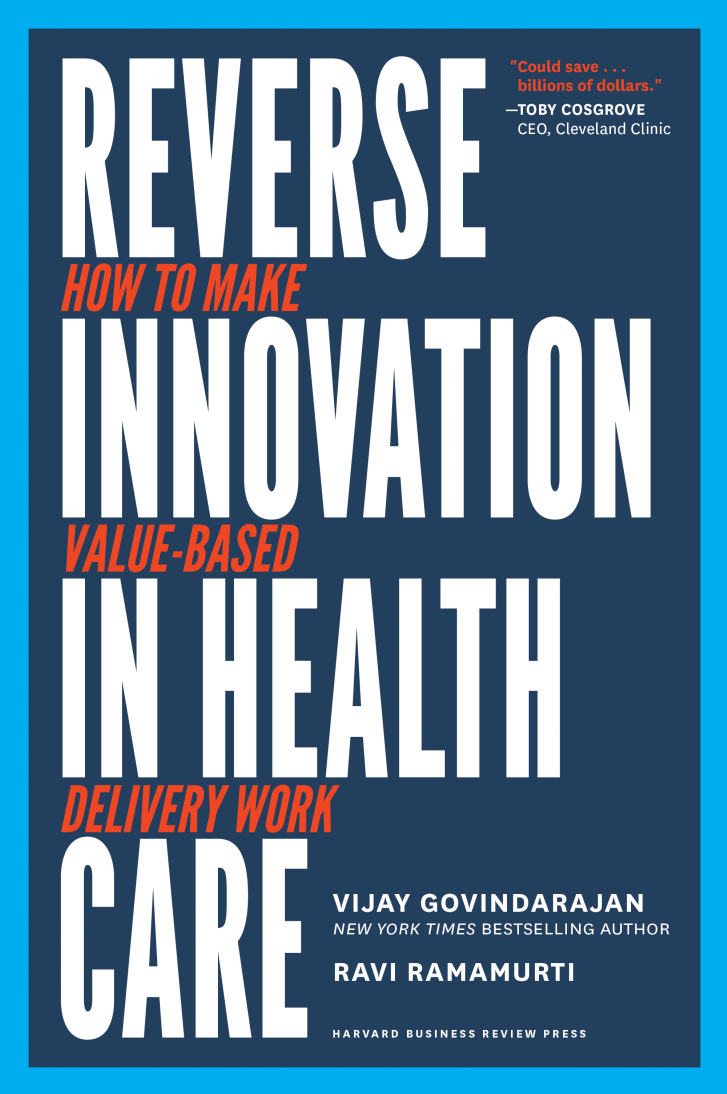
An excerpt from Reverse Innovation in Health Care: How To Make Value-Based Delivery Work
Systems are the bedrock of every society, but it is our shared dignity as human beings that truly determines whether a society works. When society becomes uncivil, it is clear that only our shared humanity as a people can save it.
A new metric measures the real value of natural goods—and shows us what we stand to lose.


Large-scale social change requires broad cross-sector coordination, not the isolated intervention of individual organizations.

With an understanding of these 10 funding models, nonprofit leaders can use the for-profit world's valuable practice of engaging in succinct and clear conversations about long-term financial strategy.

Professionalism has become coded language for white favoritism in workplace practices that more often than not leave behind people of color. This is the fourth of 10 articles in a special series about diversity, equity, and inclusion.

By working closely with the clients and consumers, design thinking allows high-impact solutions to social problems to bubble up from below rather than being imposed from the top.

Five principles based in social science that will help organizations connect their work to what people care most about.