


Marine Conservation 2.0
Saving the oceans requires the buy-in of coastal communities directly affected by environmental protections.
Saving the oceans requires the buy-in of coastal communities directly affected by environmental protections.

Worries about the negative effects of unconditional cash transfers to relieve poverty are greatly exaggerated.

We must create educational opportunities to reduce recidivism among prison inmates and empower them to lead successful lives post incarceration.
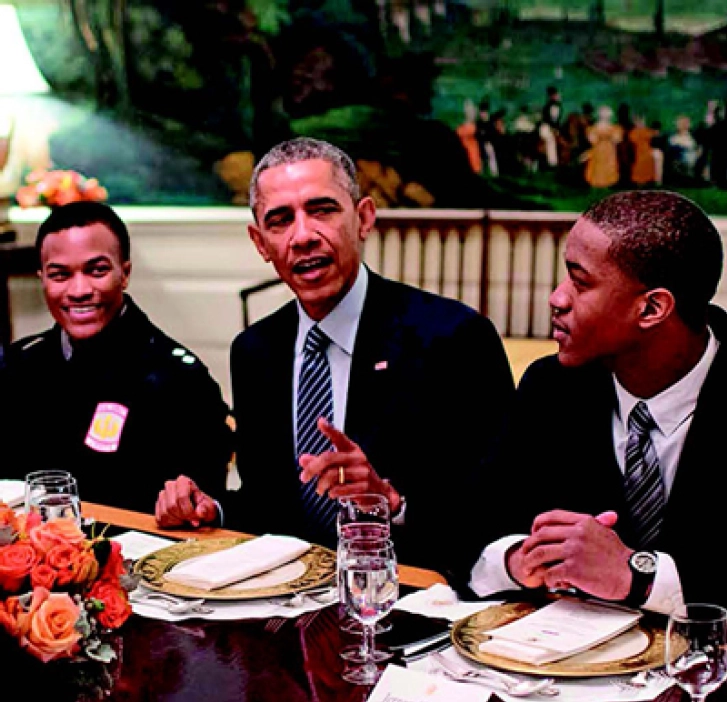
President Obama experimented with radically new ways of maximizing the impact of social programs.
Florence, a social enterprise, is helping cause major reforms in Japan's childcare system.


Large-scale social change requires broad cross-sector coordination, not the isolated intervention of individual organizations.

With an understanding of these 10 funding models, nonprofit leaders can use the for-profit world's valuable practice of engaging in succinct and clear conversations about long-term financial strategy.

Professionalism has become coded language for white favoritism in workplace practices that more often than not leave behind people of color. This is the fourth of 10 articles in a special series about diversity, equity, and inclusion.

By working closely with the clients and consumers, design thinking allows high-impact solutions to social problems to bubble up from below rather than being imposed from the top.

Five principles based in social science that will help organizations connect their work to what people care most about.