


A She Change
Iris Bohnet reminds us that we all have our biases—and suggests ways that we might overcome them.
Iris Bohnet reminds us that we all have our biases—and suggests ways that we might overcome them.
Participatory budgeting, which enables citizens to decide how to spend public funds, is building a more empowering model of democracy.
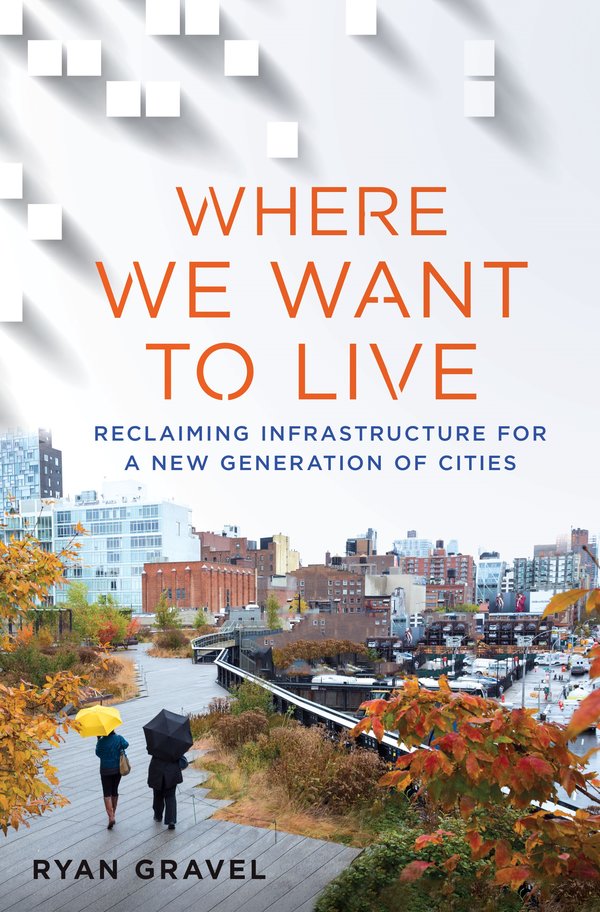
How citizens can push back against urban sprawl and create vibrant, interconnected communities.
International metrics on human rights, gender violence, and sex trafficking aren't nearly as objective as they seem. But they still have their uses.

Marine reserves that cut across national borders in Africa are protecting underwater life.


Large-scale social change requires broad cross-sector coordination, not the isolated intervention of individual organizations.

With an understanding of these 10 funding models, nonprofit leaders can use the for-profit world's valuable practice of engaging in succinct and clear conversations about long-term financial strategy.

Professionalism has become coded language for white favoritism in workplace practices that more often than not leave behind people of color. This is the fourth of 10 articles in a special series about diversity, equity, and inclusion.

By working closely with the clients and consumers, design thinking allows high-impact solutions to social problems to bubble up from below rather than being imposed from the top.

Five principles based in social science that will help organizations connect their work to what people care most about.