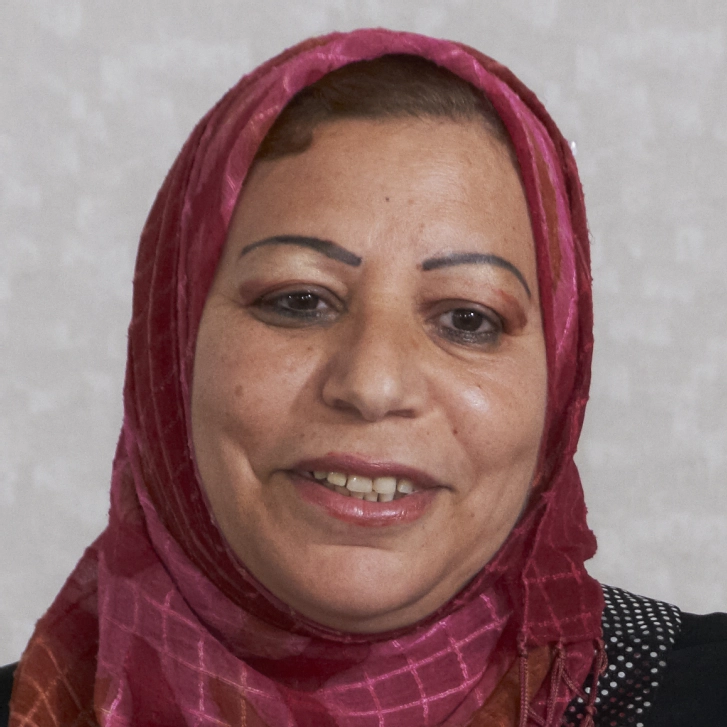
In Search of Respectful Debate
Reasonable, open, and credible debate is missing across government, business, and civil society—how can we bring it back?
Reasonable, open, and credible debate is missing across government, business, and civil society—how can we bring it back?
CPDL demonstrates a scalable public-private partnership model that trains disabled youth and links them to jobs in the organized sector.
Building stronger nations through social entrepreneurship education.
To effectively manage climate risks we must strengthen ties between the mitigation and adaptation communities.
Employing social enterprise to improve packaging, Coca-Cola uses renewable resources and recycling projects to enhance environmental sustainability and international development.


Large-scale social change requires broad cross-sector coordination, not the isolated intervention of individual organizations.

With an understanding of these 10 funding models, nonprofit leaders can use the for-profit world's valuable practice of engaging in succinct and clear conversations about long-term financial strategy.

Professionalism has become coded language for white favoritism in workplace practices that more often than not leave behind people of color. This is the fourth of 10 articles in a special series about diversity, equity, and inclusion.

By working closely with the clients and consumers, design thinking allows high-impact solutions to social problems to bubble up from below rather than being imposed from the top.

Five principles based in social science that will help organizations connect their work to what people care most about.