


Bridging the Generations
Older people and foster families are forming mutually supportive communities, with help from a group called Generations of Hope.
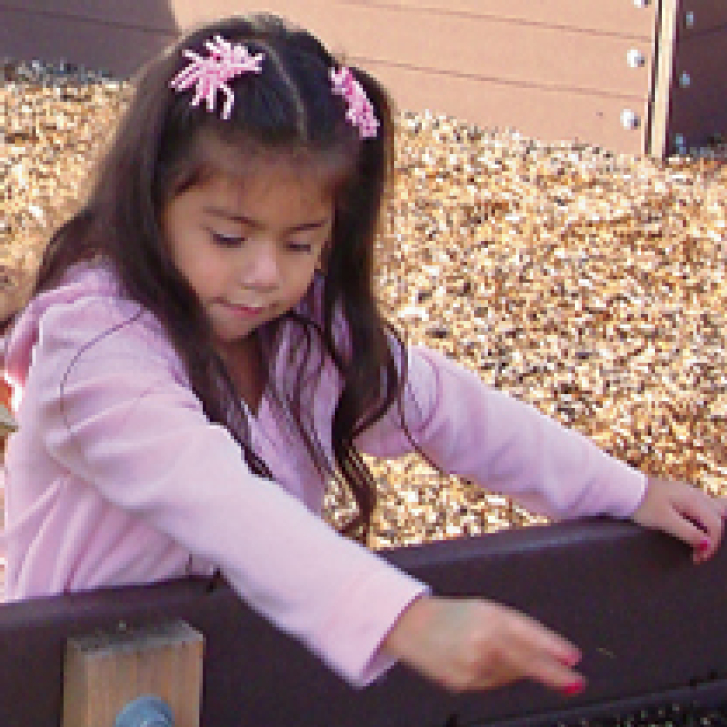
Older people and foster families are forming mutually supportive communities, with help from a group called Generations of Hope.
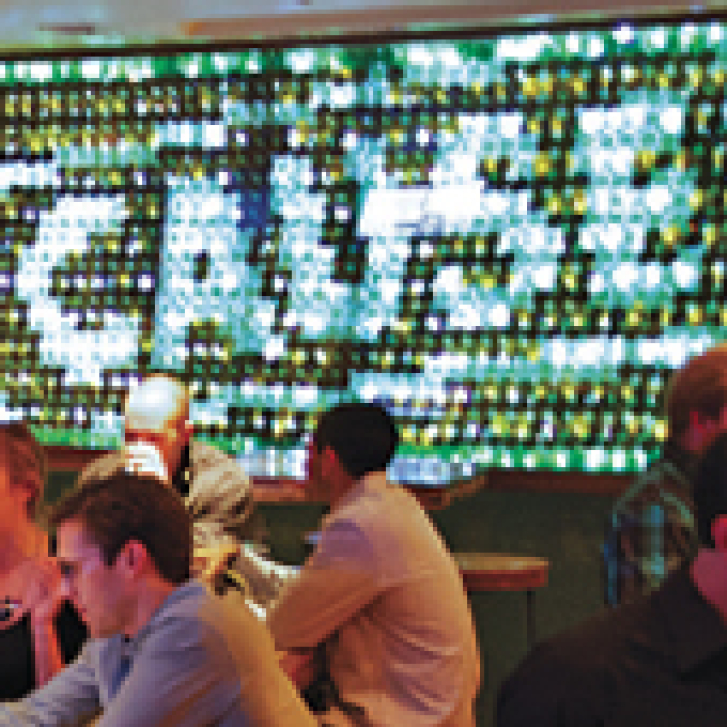
At a "philanthropub," a new kind of bar and restaurant, a portion of each patron's bill goes to a worthy cause.
In some places, users of the US Supplemental Nutrition Assistance Program can supplement their diet via community supported agriculture.

A properly designed sponsor-a-child program can have real, long-term impact on the life course of its beneficiaries.
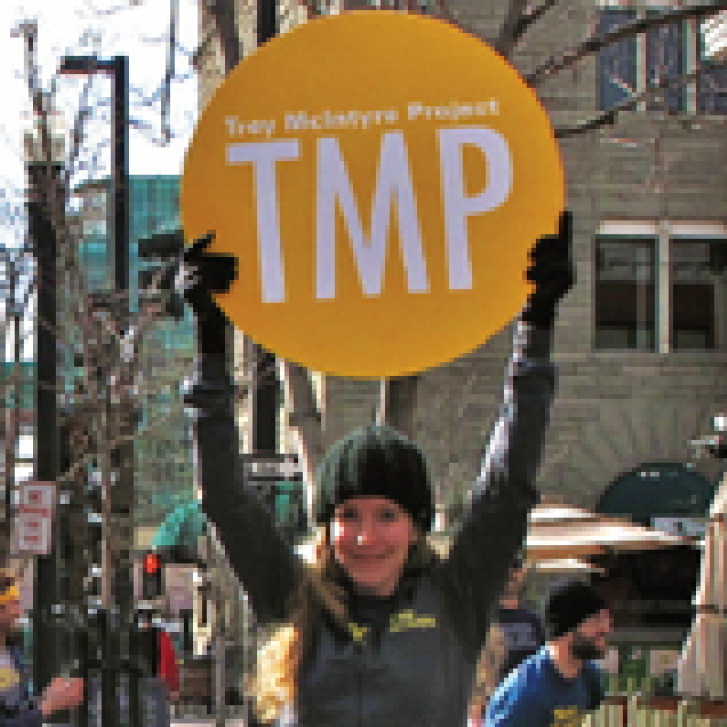
The Trey McIntyre Project, an Idaho-based dance troupe, is choreographing a novel way to manage a leading-edge arts organization.


Large-scale social change requires broad cross-sector coordination, not the isolated intervention of individual organizations.

With an understanding of these 10 funding models, nonprofit leaders can use the for-profit world's valuable practice of engaging in succinct and clear conversations about long-term financial strategy.

Professionalism has become coded language for white favoritism in workplace practices that more often than not leave behind people of color. This is the fourth of 10 articles in a special series about diversity, equity, and inclusion.

By working closely with the clients and consumers, design thinking allows high-impact solutions to social problems to bubble up from below rather than being imposed from the top.

Five principles based in social science that will help organizations connect their work to what people care most about.