


Babel of Video
Some 200,000 videos have been subtitled in 100 languages, thanks to software that makes translating subtitles easy and relies on multilingual crowds.
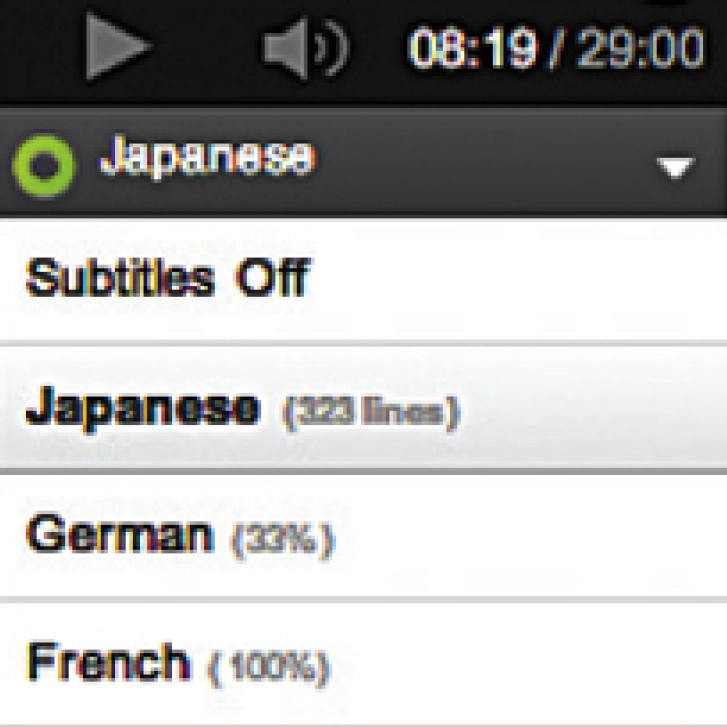
Some 200,000 videos have been subtitled in 100 languages, thanks to software that makes translating subtitles easy and relies on multilingual crowds.
The nonprofit Erste Foundation is an engine behind the for-profit Erste Group as well as its largest shareholder.
The Open Government Partnership seeks to build more transparent, effective, and accountable governments that empower citizens and respond to their democratic aspirations.
The US Under Secretary for Civilian Security, Democracy and Human Rights explains why OGP breaks the mold of international engagement.
The OGP partnership with Brazil represents a global challenge for government and civil society stakeholders to advance the concept of 21st-century democracy.

Large-scale social change requires broad cross-sector coordination, not the isolated intervention of individual organizations.

With an understanding of these 10 funding models, nonprofit leaders can use the for-profit world's valuable practice of engaging in succinct and clear conversations about long-term financial strategy.

Professionalism has become coded language for white favoritism in workplace practices that more often than not leave behind people of color. This is the fourth of 10 articles in a special series about diversity, equity, and inclusion.

By working closely with the clients and consumers, design thinking allows high-impact solutions to social problems to bubble up from below rather than being imposed from the top.
Five principles based in social science that will help organizations connect their work to what people care most about.