


sponsored
We Must Be Founders
To fulfill this nation’s promise as a multiracial democracy requires more than tinkering around the edges. Renewal requires bottom-up transformation.
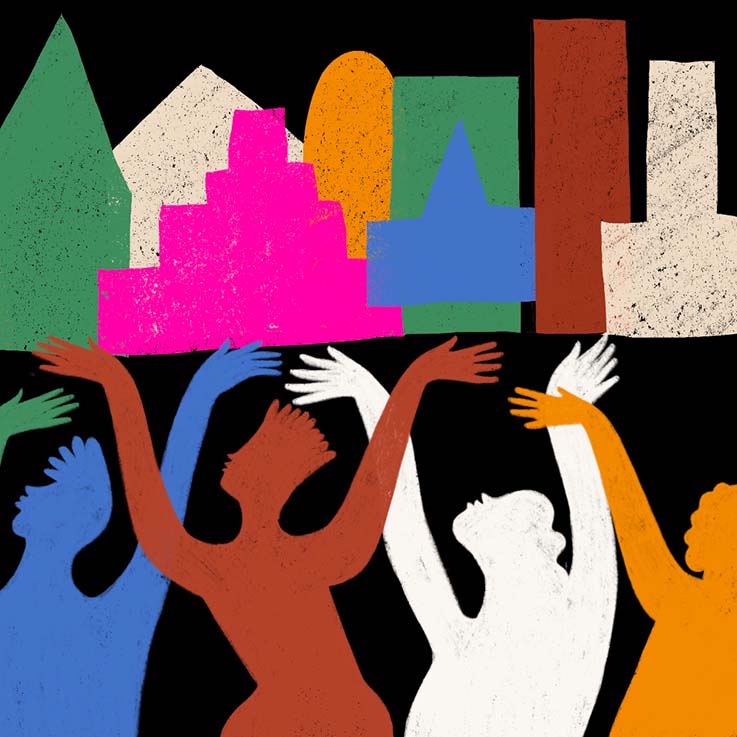
To fulfill this nation’s promise as a multiracial democracy requires more than tinkering around the edges. Renewal requires bottom-up transformation.

Every social system has its own unique and self-reinforcing characteristics, practices, and vocabularies. Learning to span these boundaries is a prerequisite for any significant change effort.

An excerpt from The Digital Double Bind on the digital revolution in the Global South

In a fragmented impact ecosystem, ed-tech needs collaboration to prioritize education over technology.

An excerpt from Tell Me My Story on mission-driven workplace cultures that help people heal, serve, and grow


Large-scale social change requires broad cross-sector coordination, not the isolated intervention of individual organizations.

With an understanding of these 10 funding models, nonprofit leaders can use the for-profit world's valuable practice of engaging in succinct and clear conversations about long-term financial strategy.

Professionalism has become coded language for white favoritism in workplace practices that more often than not leave behind people of color. This is the fourth of 10 articles in a special series about diversity, equity, and inclusion.

By working closely with the clients and consumers, design thinking allows high-impact solutions to social problems to bubble up from below rather than being imposed from the top.

Five principles based in social science that will help organizations connect their work to what people care most about.