


Marrying Empathy and Science to Spread Impact
A public health innovation shows that innovators can accelerate the diffusion of products with social impact by pairing design thinking and behavioral science.

A public health innovation shows that innovators can accelerate the diffusion of products with social impact by pairing design thinking and behavioral science.

Instead of simply pegging success to traditional economic measures, like GDP, New Zealand wants policymaking to be driven by what will make the biggest difference to the well-being of people, their communities, and the environment. A What's Next article from the Winter 2020 issue.
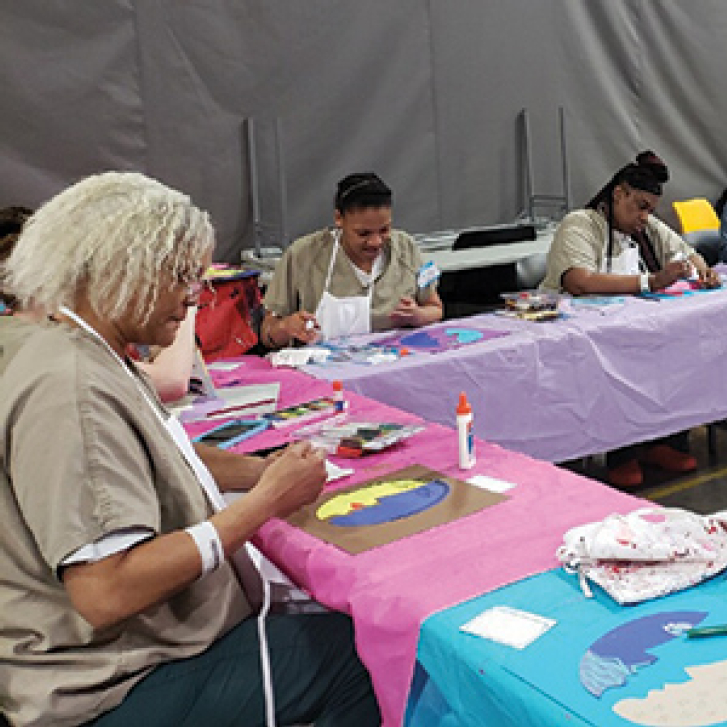
The Stepping Up Initiative uses webinars, a tool kit, and data collection to tackle the problem of people with serious mental illness being incarcerated in the United States approximately two million times each year. A Field Report from the Winter 2020 issue.
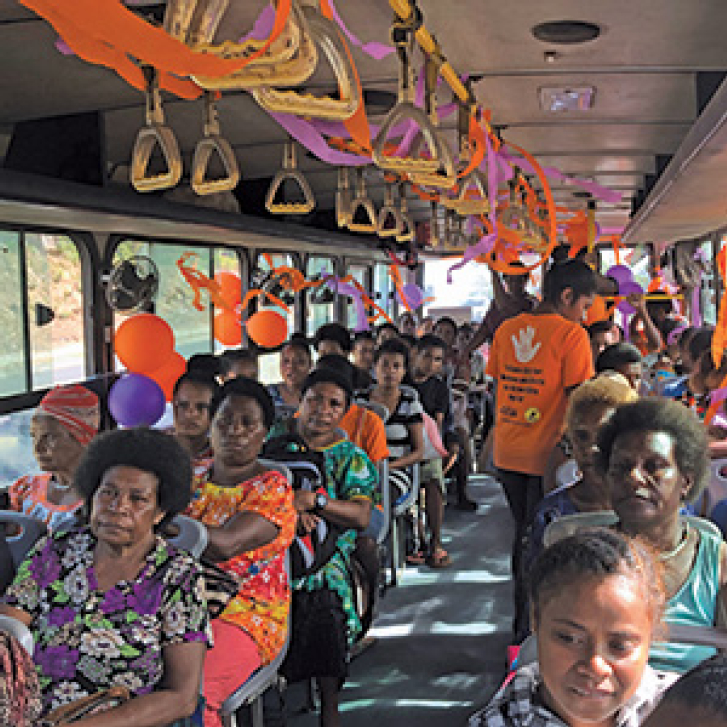
The women-only transportation program in Papua New Guinea is challenging social norms about gender by improving women's economic lives and securing girls' education. A Field Report from the Winter 2020 issue.

The Harambe Entrepreneur Alliance, a network of 304 entrepreneurs from 34 African countries, believes that business, rather than aid, is the key to eradicating poverty on the continent. A Case Study from the Winter 2020 issue.


Collective impact efforts must prioritize working together in more relational ways to find systemic solutions to social problems.

How to move from net zero to net impact.

A look at how Switzerland radically and successfully changed its approach to drug policy following a heroin epidemic in the late 1980s and 90s, and what the effort teaches us about the social innovation process.

How government and philanthropy can unlock the billions needed to shelter America’s unhoused

Chicago CRED proceeds from the belief that the individuals most at risk are not the problem—they are the solution.