


Tools for Survivorship
A new trauma-informed app provides victims of sexual violence access to confidential support and resources.

A new trauma-informed app provides victims of sexual violence access to confidential support and resources.
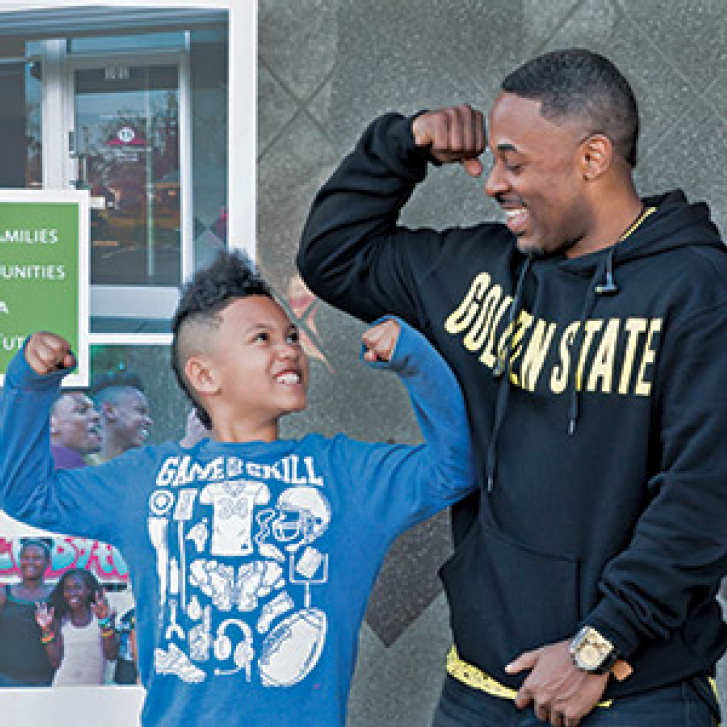
A community rallies to save its children from gun violence through coordination, cooperation, and a shared goal.
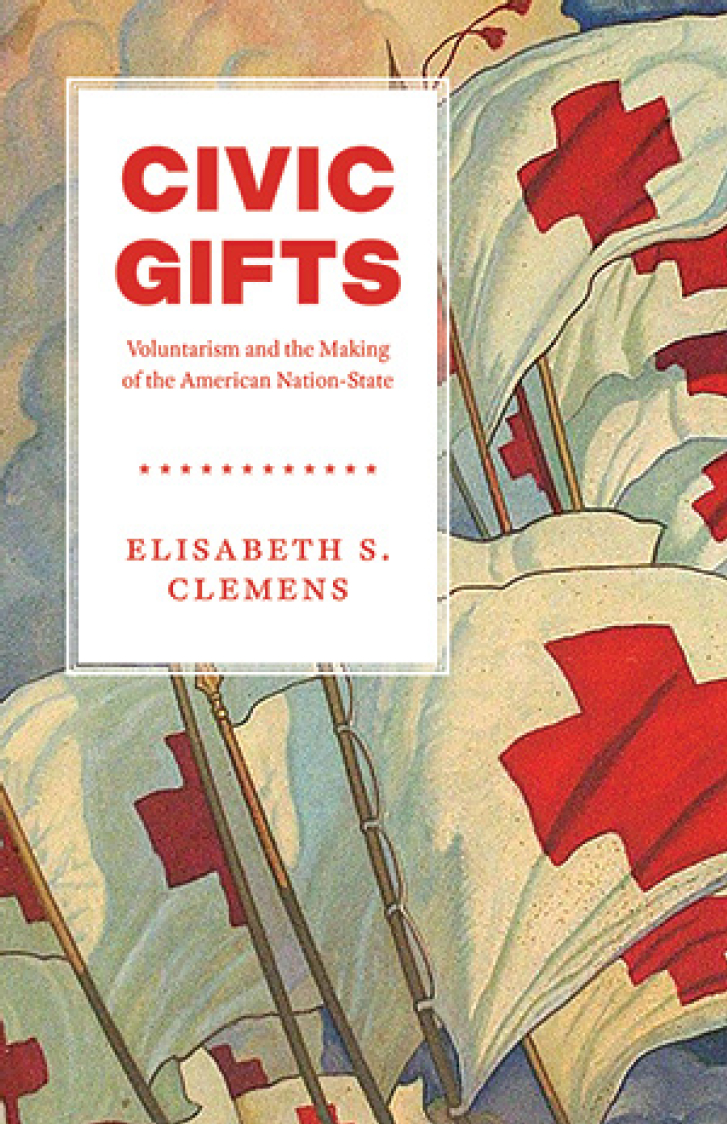
Elisabeth S. Clemens’ Civic Gifts demonstrates how voluntarism, long associated with locally based efforts, has been central to the project of building a strong nation-state.
Social service agencies have too often excluded the communities they aim to help from informing and strengthening the programs purportedly designed for them. Here are two techniques for using a person-centered model that offers a better way to craft truly collaborative solutions.

How the work of bringing voter registration kiosks into emergency rooms has become more urgent—and more difficult—during the COVID-19 pandemic, and also expanded in scope. Part of a series on civil society's response to the pandemic.


Collective impact efforts must prioritize working together in more relational ways to find systemic solutions to social problems.

How to move from net zero to net impact.

A look at how Switzerland radically and successfully changed its approach to drug policy following a heroin epidemic in the late 1980s and 90s, and what the effort teaches us about the social innovation process.

How government and philanthropy can unlock the billions needed to shelter America’s unhoused

Chicago CRED proceeds from the belief that the individuals most at risk are not the problem—they are the solution.