


Principles for Successful Cross-Sector Partnerships
In this excerpt of Partner with Purpose, Resonance founder Steve Schmida offers guidance on how to build management partnerships that deliver results.
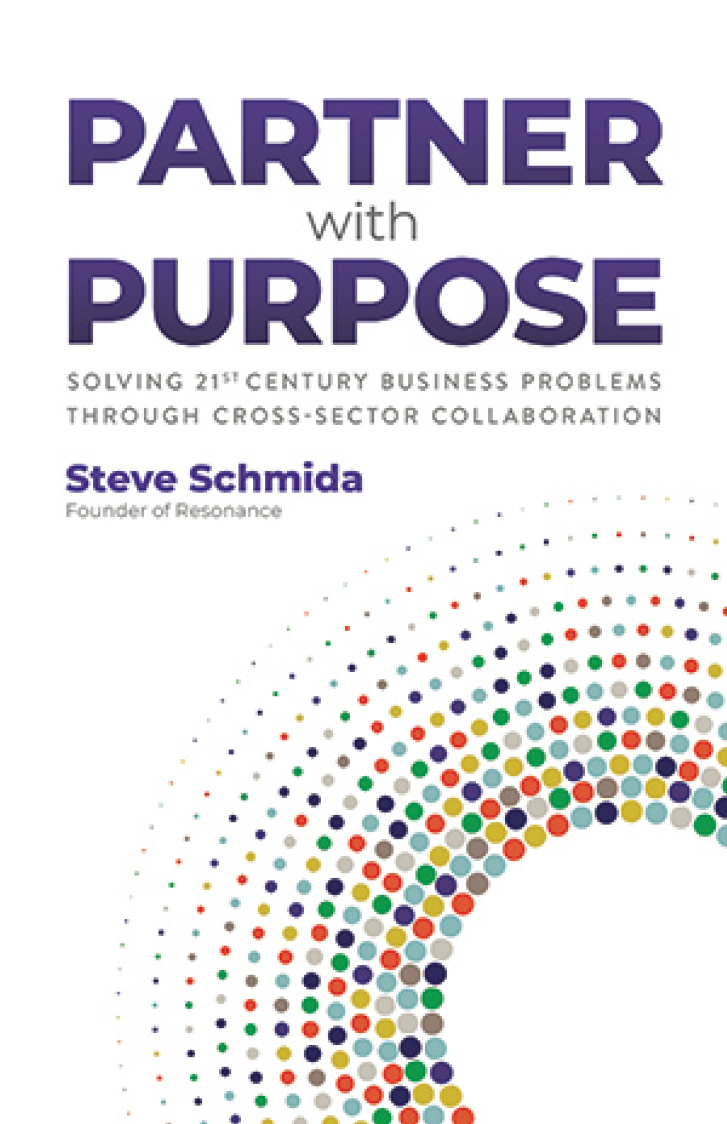
In this excerpt of Partner with Purpose, Resonance founder Steve Schmida offers guidance on how to build management partnerships that deliver results.

A better understanding of the roles that foundations have played in the development of impact investing can shed light on the problems that arise when philanthropy turns to the private sector to help with achieving a greater good. Part of the Impact Investing Today and Tomorrow in-depth series.

How the McConnell Foundation’s Re-Code initiative is rewiring higher education for innovation across Canada. Part of the Innovating Higher Education series.

The COVID-19 pandemic is forcing nonprofits to reinvent themselves at lightning speed, and many foundations are supporting them ad-hoc. But when the dust settles, the social sector will need to take strategic steps to restore its philanthropic vitality and contribute to a post-COVID social contract. Part of a series on civil society's response to the pandemic.
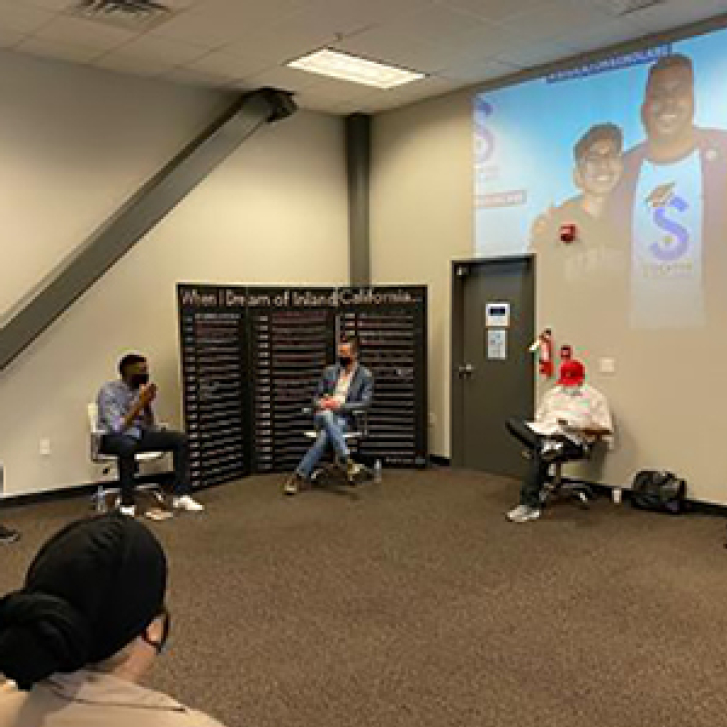
Inland regions are rapidly diversifying, and leaders of color in places like the Inland Empire need investment. Philanthropy needs a new playbook for this intersection of racial equity and regional equity.


Funders are calling for more program evaluation, but nonprofits are often collecting dubious data, at great cost to themselves and ultimately to the people they serve.

Large-scale social change requires broad cross-sector coordination, not the isolated intervention of individual organizations.

For NGOs, impact comes in different forms and to track the cycles of social change work, we must think across the tangibility and the speed of emergence of change.

With an understanding of these 10 funding models, nonprofit leaders can use the for-profit world's valuable practice of engaging in succinct and clear conversations about long-term financial strategy.

Professionalism has become coded language for white favoritism in workplace practices that more often than not leave behind people of color. This is the fourth of 10 articles in a special series about diversity, equity, and inclusion.