


A Trauma Lens for Systems Change
The Missouri Model lays out a framework, based on the science of trauma, that organizations can use to shift culture and policies and improve outcomes. A feature article from the Summer 2019 issue.

The Missouri Model lays out a framework, based on the science of trauma, that organizations can use to shift culture and policies and improve outcomes. A feature article from the Summer 2019 issue.

Efforts to increase funding for Pay for Success must embrace how risk affects the expectation of returns to attract capital from the appropriate investors.

Rather than a glossy brochure that no one reads, your strategy should be an ongoing practice that informs your decisions and adapts as circumstances change. A Viewpoint from the Summer 2019 issue.

A new book on Chinese entrepreneurs breaks through stereotypes and offers a more comprehensive view of innovation in China.
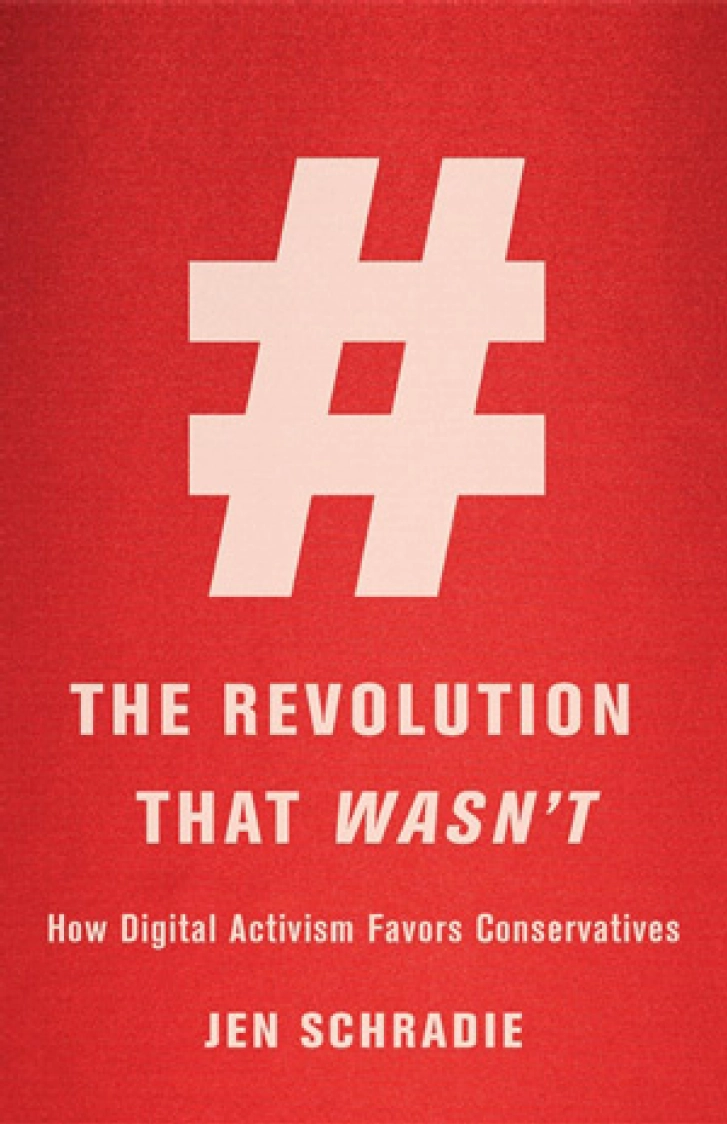
Sociologist Jen Schradie reveals how digital activism empowers defenders of the status quo.


Funders are calling for more program evaluation, but nonprofits are often collecting dubious data, at great cost to themselves and ultimately to the people they serve.

Large-scale social change requires broad cross-sector coordination, not the isolated intervention of individual organizations.
For NGOs, impact comes in different forms and to track the cycles of social change work, we must think across the tangibility and the speed of emergence of change.

With an understanding of these 10 funding models, nonprofit leaders can use the for-profit world's valuable practice of engaging in succinct and clear conversations about long-term financial strategy.

Professionalism has become coded language for white favoritism in workplace practices that more often than not leave behind people of color. This is the fourth of 10 articles in a special series about diversity, equity, and inclusion.