

Workers of the World, Buy!
iCare is enabling Southeast Asian workers to purchase the basic goods of middle-class life without falling into debt.
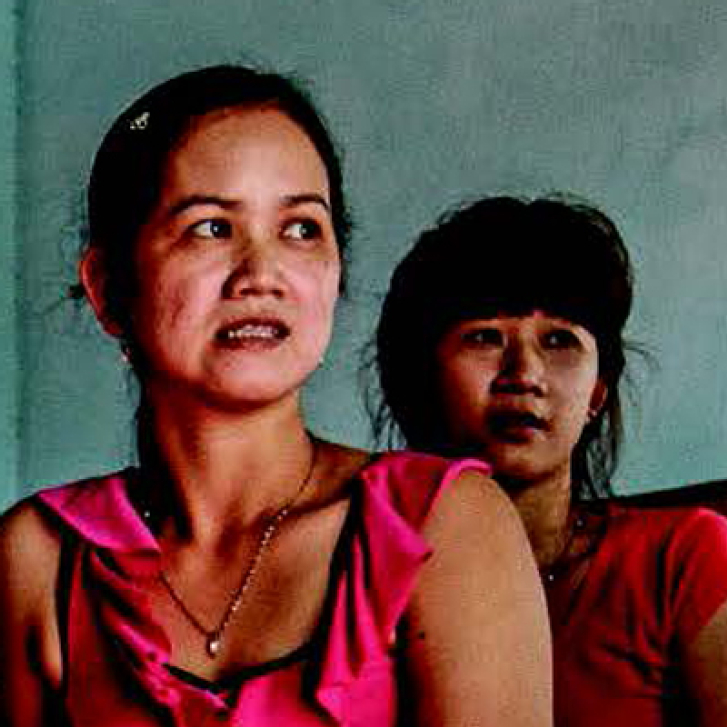
iCare is enabling Southeast Asian workers to purchase the basic goods of middle-class life without falling into debt.
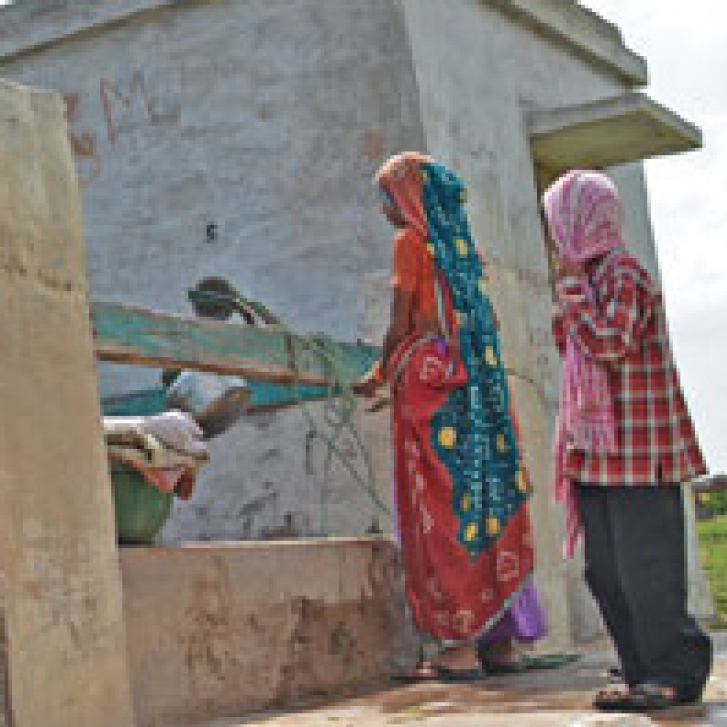
Arghyam, a grantmaking foundation, takes a data-driven approach to helping transform India’s water and sanitation systems.
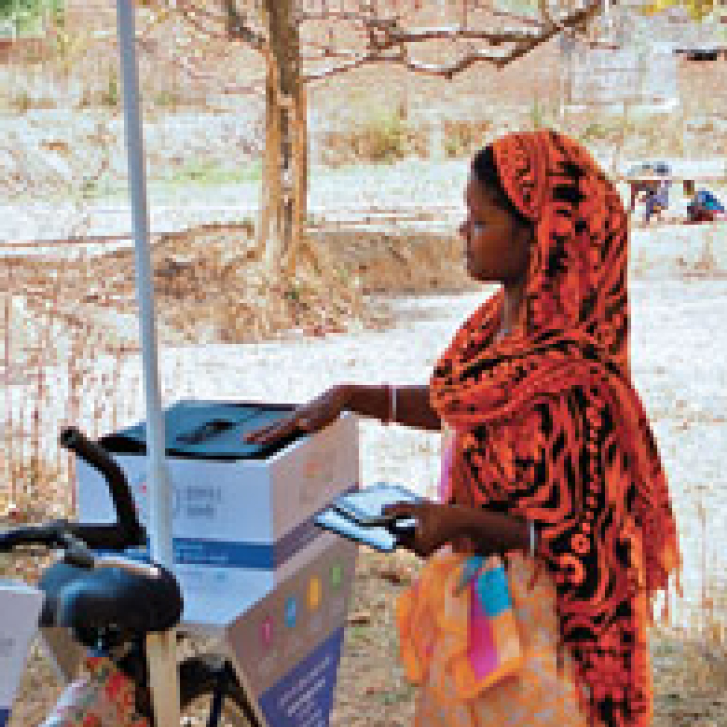
Hindi for “friend,” the Saathi Internet program enables women in rural India to help other women improve their lives and livelihoods.
Top-down development doesn't work. What's needed is a "pull model" created by locals, funders, and government agencies working together as equals.
Two decades of giving have taught philanthropist Rohini Nilekani the value of pursuing unconventional approaches to tackling social problems.


Funders are calling for more program evaluation, but nonprofits are often collecting dubious data, at great cost to themselves and ultimately to the people they serve.

Large-scale social change requires broad cross-sector coordination, not the isolated intervention of individual organizations.
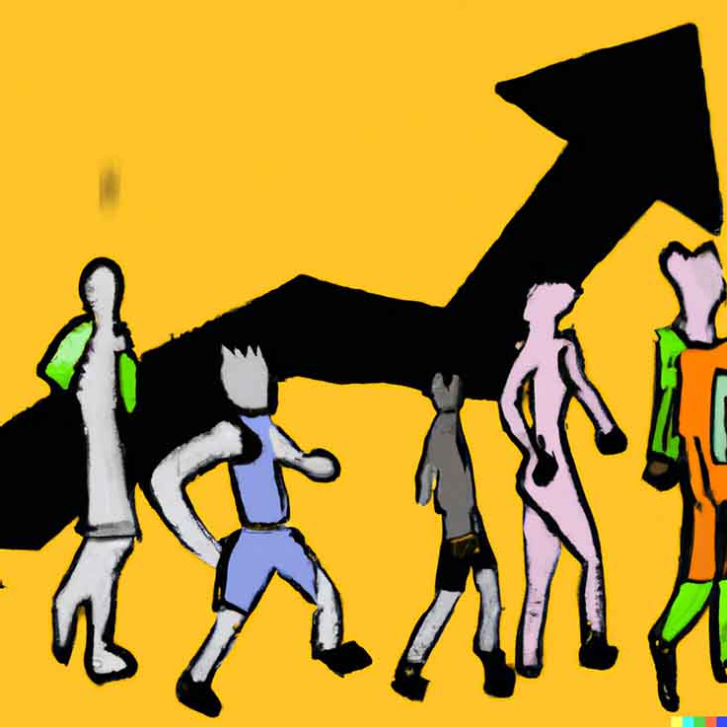
For NGOs, impact comes in different forms and to track the cycles of social change work, we must think across the tangibility and the speed of emergence of change.

With an understanding of these 10 funding models, nonprofit leaders can use the for-profit world's valuable practice of engaging in succinct and clear conversations about long-term financial strategy.

Professionalism has become coded language for white favoritism in workplace practices that more often than not leave behind people of color. This is the fourth of 10 articles in a special series about diversity, equity, and inclusion.