
Moving From Pass/Fail to Continuous Progress
It’s hard to fully understand the effects of interventions that aim to address several life challenges at once. But it can help to transition from all-or-nothing assessments to more incremental measures.
It’s hard to fully understand the effects of interventions that aim to address several life challenges at once. But it can help to transition from all-or-nothing assessments to more incremental measures.

Although we are ultimately most interested in long-term life outcomes for students, to achieve them education leaders will need a new focus on shorter-term, intermediate measures of success.

Investors must intentionally incorporate new ways of investing if they are to address big global problems or harness global trends while achieving competitive returns—a look at the path ahead.
Three lessons from the field for NGOs pursuing social impact investing.
In bringing the nutrition cohort a carefully calculated strategy, patient capital, and a willingness to let go, Newman’s Own Foundation is demonstrating success at the heart of the collaboration challenge.


Funders are calling for more program evaluation, but nonprofits are often collecting dubious data, at great cost to themselves and ultimately to the people they serve.

Large-scale social change requires broad cross-sector coordination, not the isolated intervention of individual organizations.
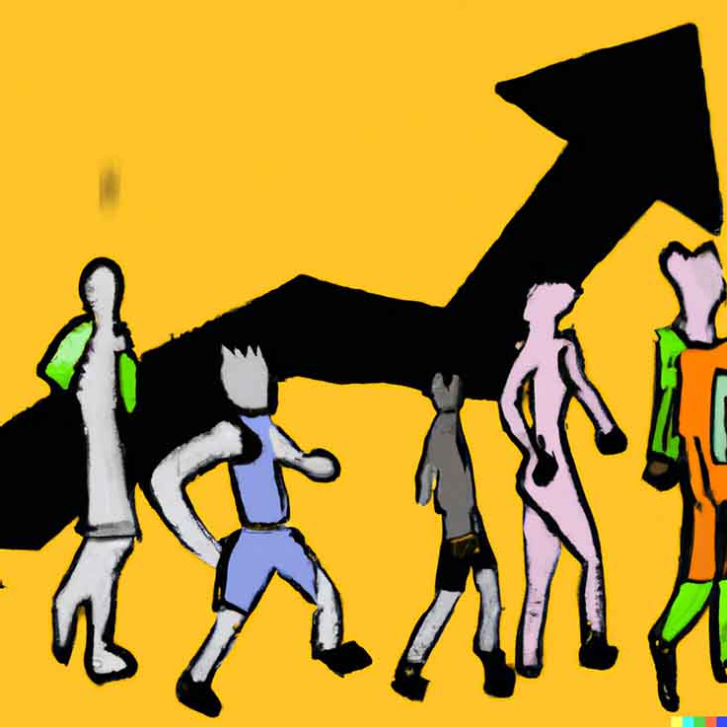
For NGOs, impact comes in different forms and to track the cycles of social change work, we must think across the tangibility and the speed of emergence of change.

With an understanding of these 10 funding models, nonprofit leaders can use the for-profit world's valuable practice of engaging in succinct and clear conversations about long-term financial strategy.

Professionalism has become coded language for white favoritism in workplace practices that more often than not leave behind people of color. This is the fourth of 10 articles in a special series about diversity, equity, and inclusion.