


Framing Is Personal
In campaigns to promote human rights, messages that highlight the experience of specific victims tend to be most effective.

In campaigns to promote human rights, messages that highlight the experience of specific victims tend to be most effective.
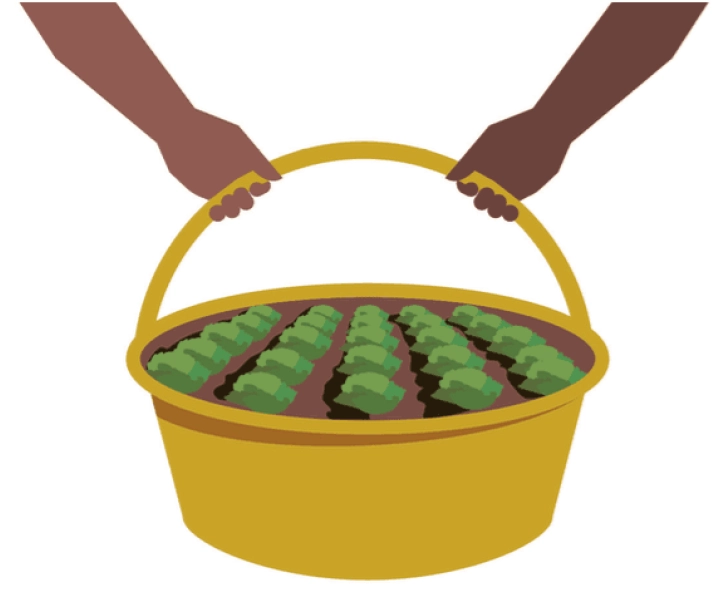
A study of producer organizations in Uganda highlights the role of reciprocity as a motivating force among members.

Cultural factors, including gender norms, can have a decisive impact on efforts to build social cohesion in developing countries.

In an era of instant feedback and crowdsourcing, the government misses out when it relies solely on authorized voices.

Substitute the word “impact” for “social performance,” and current debates in the investment community sound exactly like the ones the microfinance industry had 10 years ago. The investor community can learn from microfinance’s successful efforts to set standards for non-financial returns—the “other bottom line.”


Funders are calling for more program evaluation, but nonprofits are often collecting dubious data, at great cost to themselves and ultimately to the people they serve.

Large-scale social change requires broad cross-sector coordination, not the isolated intervention of individual organizations.
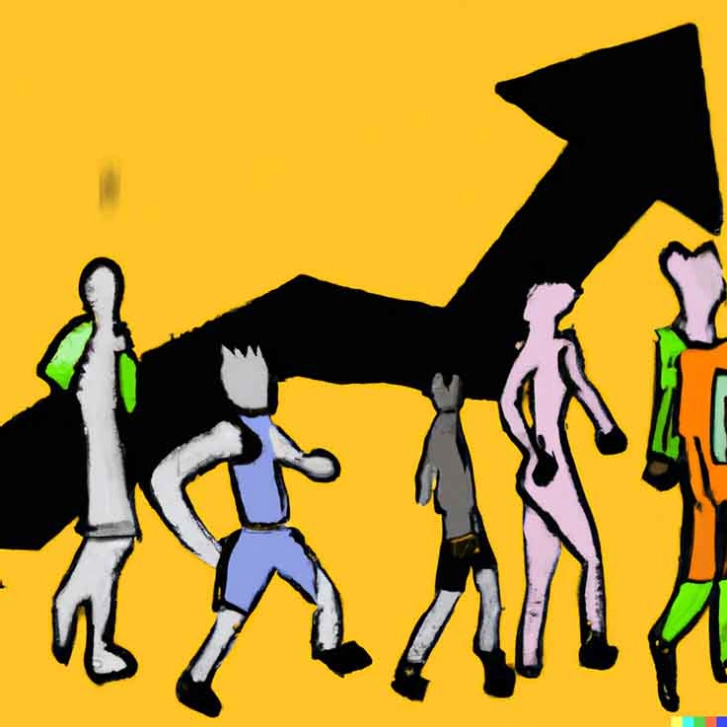
For NGOs, impact comes in different forms and to track the cycles of social change work, we must think across the tangibility and the speed of emergence of change.

With an understanding of these 10 funding models, nonprofit leaders can use the for-profit world's valuable practice of engaging in succinct and clear conversations about long-term financial strategy.

Professionalism has become coded language for white favoritism in workplace practices that more often than not leave behind people of color. This is the fourth of 10 articles in a special series about diversity, equity, and inclusion.